
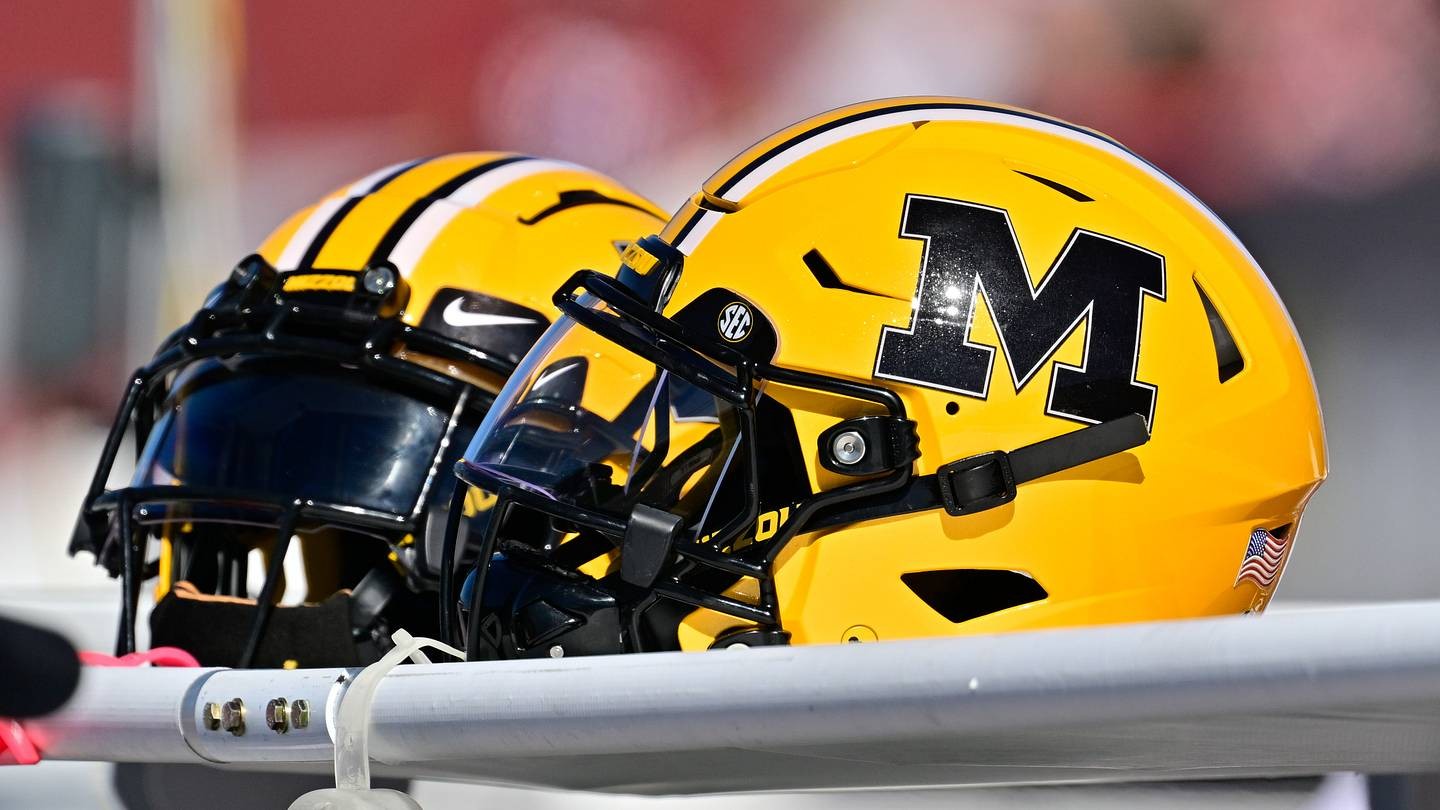
Missouri officially declared itself the 1960 college football national champion on Friday, a retroactive honor that puts the Tigers in rare company and stirs up a decades-old debate with direct ties to Iowa. The announcement, backed by a U.S. senator's resolution and a mathematical ranking system, marks one of the most unusual championship claims in recent memory.
Missouri athletic director Laird Veatch said the school reviewed the historical record and determined the 1960 team deserves recognition as national champions. The Tigers finished that season 8-0 before losing to Kansas, then beat Navy in the Orange Bowl in front of President-Elect John F. Kennedy. Kansas later forfeited the Border War game due to an ineligible player, giving Missouri a 9-1 final record.
How did Missouri justify the title claim?
The school's case rests on two pillars: a Congressional resolution and the Poling System, a mathematical ranking created by former Ohio Wesleyan player Richard Poling. Poling is recognized as a national title selector from 1924 through 1984, and his calculations picked Missouri for 1960.
Sen. Eric Schmitt, a Missouri Republican, introduced the resolution earlier this month recognizing the Tigers as champions. While symbolic, the resolution gained weight when paired with Poling's endorsement, which meets NCAA-recognized selector standards.
What about Iowa's claim to the 1960 title?
Iowa fans will note their Hawkeyes have a strong case of their own. College Football Reference's Simple Rating System ranks Iowa No. 1 for 1960, ahead of Ohio State and Missouri. The Hawkeyes played the nation's toughest schedule, facing eight straight ranked opponents to open the season. Their only loss came against Minnesota, 27-10, on Nov. 5.
Minnesota is traditionally listed as the 1960 national champion, winning recognition from the AP, the National Football Foundation, and United Press International. However, those selectors made their picks before bowl games, and Minnesota lost the Rose Bowl 17-7 to Washington.
Who else could claim the 1960 title?
Ole Miss finished 10-0-1 but tied a mediocre LSU team. Washington lost only once, a one-point defeat to Navy, which Missouri beat in the Orange Bowl. Each team has flaws in its resume, making the 1960 season one of college football's most disputed.
If you want to pick the '60 national champion, Iowa is probably your team. However, if you want to pick a '60 national champion, Missouri is a perfectly valid choice.
Why does this matter for Iowa readers?
For Iowa fans, this retroactive claim touches on a piece of Hawkeye history that often gets overlooked. The 1960 team under coach Forest Evashevski remains one of the program's finest, and the debate over that season's champion keeps Iowa in the conversation alongside more celebrated programs.
Missouri's move also raises questions about how schools use modern tools to revisit historical records. If Missouri can claim a title 66 years later, could Iowa do the same for other seasons? The precedent is now set.
For now, Missouri celebrates its newly recognized championship, while Iowa can point to the data that suggests the Hawkeyes were the better team. In college football, history is never fully settled.
Frequently asked questions about the 1960 national championship
Did Missouri actually win the 1960 national championship?
Missouri has retroactively claimed the title based on the Poling System, an NCAA-recognized selector, and a U.S. Senate resolution. The claim is valid under NCAA rules but disputed by other schools with competing cases.
Why isn't Minnesota the undisputed 1960 champion?
Minnesota won the major selector polls, but those votes happened before bowl games. The Golden Gophers lost the Rose Bowl to Washington, leaving room for debate.
Could Iowa claim a national championship for 1960?
Iowa has a statistical case as the top-ranked team per the Simple Rating System, but the school has not pursued a retroactive title. The Hawkeyes' only loss was to Minnesota, the traditional champion.
Photo: Sports Illustrated