
The U.S. Department of Justice filed a federal lawsuit Tuesday against the Kansas City, Kansas, school system, marking the first time the Trump administration has used federal privacy law to assert parents' right to know about their child's gender transition at school.
The lawsuit stems from a complaint filed by the Defense of Freedom Institute, a conservative group, alleging the district's policies prevented disclosure of a student's transgender status to parents without the student's consent. The district, which serves more than 20,000 students, maintains policies allowing students to use preferred names and pronouns, and evaluates requests from students who do not wish to involve parents on a case-by-case basis.
What does the federal lawsuit against the school district seek?
The Justice Department is asking the court to compel the district to disavow its stated policies around transgender students and to give parents greater access to student records. The administration argues the district's policies violate the Family Education Rights and Privacy Act (FERPA), a federal law protecting student privacy.
In April, the Education Department found the Kansas City district, along with three other Kansas districts, in violation of FERPA for maintaining policies of not disclosing a student's gender transition at the parents' request, though it did not cite a specific instance where this occurred. The districts declined to sign proposed resolution agreements, prompting the Justice Department to step in.
What does the district say in response?
The district disputed the claim that it is out of compliance with federal law and said it was disappointed by the DOJ's decision to file the lawsuit. Officials declined further comment because litigation is pending.
How does this compare to Iowa's parental notification law?
Iowa is among a handful of states, including Idaho, that have passed laws requiring parents to be notified when students seek to use a different pronoun or name as part of a social transition. Kansas does not have such a law. The contrast highlights a growing national divide over parental rights in education.
Meanwhile, a separate lawsuit is pending over a California statute that barred schools from outing students to parents.
What has the Trump administration done on this issue?
President Donald Trump's administration has taken an aggressive stance on schools that accommodate students based on gender identity. It has filed lawsuits in California and Minnesota over state policies permitting transgender students to participate in interscholastic sports and has opened civil rights investigations into schools and universities nationwide.
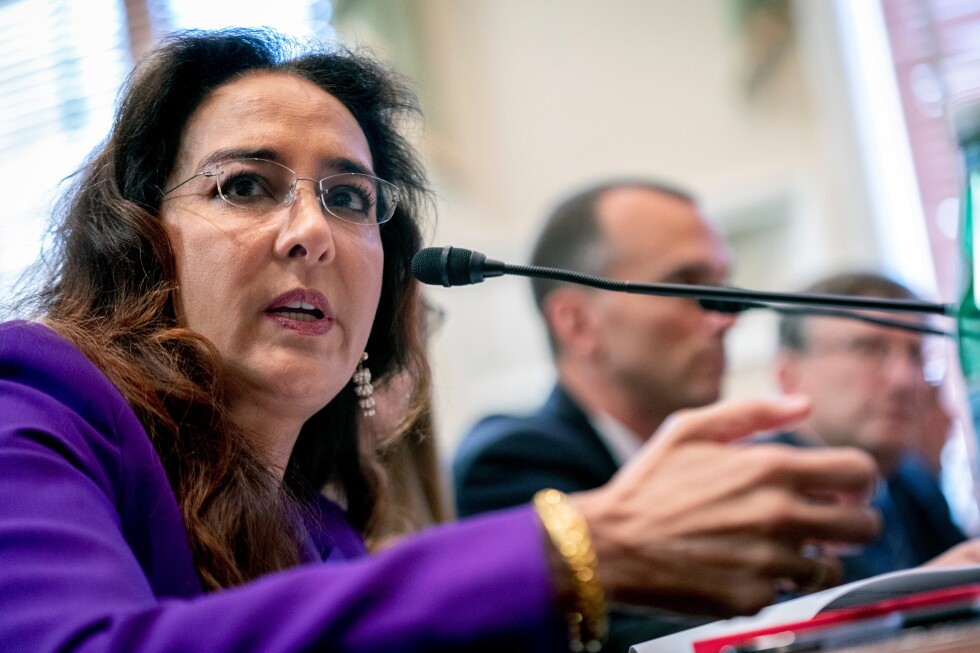
Tuesday's lawsuit is the first using FERPA to assert parental rights in this context. Assistant Attorney General Harmeet K. Dhillon said in a statement:
Parental rights are paramount in the operation of America's public schools, and Kansas City, Kansas, Public Schools does not know children better than their own parents. The Department will not tolerate school districts playing fast and loose with federal law in the service of radical gender ideology.
Who has been leading the charge in Kansas?
Kansas Attorney General Kris Kobach, a Republican and Trump supporter, first highlighted the issue more than two years ago. In a February 2024 news release, he announced that several Kansas districts were allowing employees to hide from parents the fact that a student may be using a different name or pronouns at school.
Kobach argued that parents should not be kept in the dark about such important aspects of their children's well-being. Advocates for LGBTQ+ students, however, say kids who come out as transgender can sometimes face serious consequences at home, including being kicked out.
What happens to the other Kansas districts under investigation?
The Education Department last week announced that the Topeka district had agreed to rescind any prior guidance preventing schools from keeping parents informed. The department said Olathe and Shawnee Mission public schools refused to come into voluntary compliance and could face a potential loss of federal funding.
The outcome of the Kansas City lawsuit could set a precedent for how federal privacy law is applied to parental rights in schools across the country, a development Iowa families and policymakers will be watching closely.