
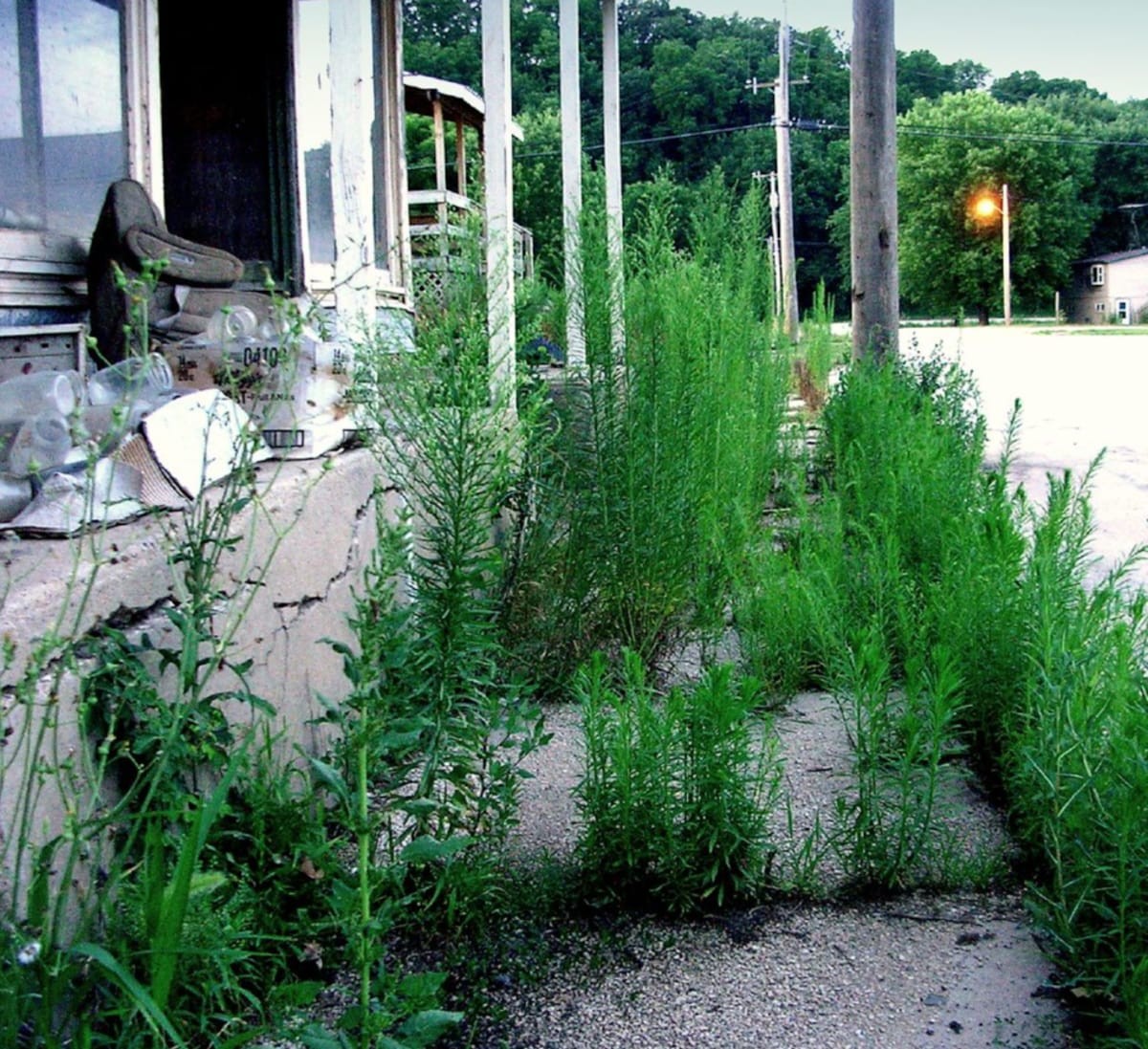
Drivers winding through the backroads of Clayton County can pass straight through the former town of Elkport without noticing it ever existed. A flood on May 23, 2004, destroyed the small river community, and by September 2006, bulldozers had leveled what was left, according to Aol.
The town sat at the confluence of the Volga and Turkey rivers for nearly 150 years before the deluge. Today, all that remains is an overgrown street grid, a handful of residents on the outskirts, and a church that supporters are still working to restore.
What was Elkport?
Elkport was a small farming community settled in 1855 along the banks of Elk Creek, in a floodplain above the rivers' confluence. In the early 2000s, the village still had a working post office, a bank, a schoolhouse built in 1895, the Immanuel Lutheran Church, and 88 residents, according to Aol's reporting.
A town hall constructed in 1906 served as the community's gathering place. It hosted everything from basketball games to Saturday night dances, the kind of civic life that defines small-town Iowa.
Why did residents leave?
Heavy rains on May 23, 2004, flooded Elk Creek and the nearby rivers, sending a wall of water through Elkport's streets. Most of the town's buildings and much of its infrastructure were damaged beyond repair.
Rather than face years of expensive rebuilding on flood-prone ground, residents voted to accept a federal buyout and sold their properties to the government for demolition. The town was effectively emptied in a single decision, a rare end for a community that had survived since before the Civil War.
A town frozen in time
What makes Elkport unusual among ghost towns is how fast it disappeared. Most abandoned communities fade slowly as young people move away or an industry dries up. Elkport simply stopped all at once.
Between the 2004 evacuation and the 2006 demolition, the town looked as though its residents had simply vanished. According to Aol, classrooms in the old schoolhouse still had shavings in the pencil sharpeners, and everyday items sat exactly where families left them when the evacuation order hit.
Demolition crews tore down the bank, the schoolhouse, the town hall, and dozens of homes. Blue high-water marks painted on surviving utility poles still record the height of the flood that ended the town.
What's left today
Elkport is now a grid of empty, overgrown lots. A few residents still live on the outskirts of the original town limits, and the Immanuel Lutheran Church remains standing, with restoration efforts ongoing, according to Aol.
The main commercial center is gone. The cemetery on the hill overlooking the town site still holds the graves of some of Elkport's earliest settlers.
How to visit Elkport legally
The remaining street grid is still part of Clayton County's public road system, so visitors can drive through what remains of the town during the day. The empty lots, however, are either federal buyout land or private property, and trespassing is prohibited.
Viewers can see building foundations from the public roads and visit the cemetery, but should stay off private lots. Travel site