
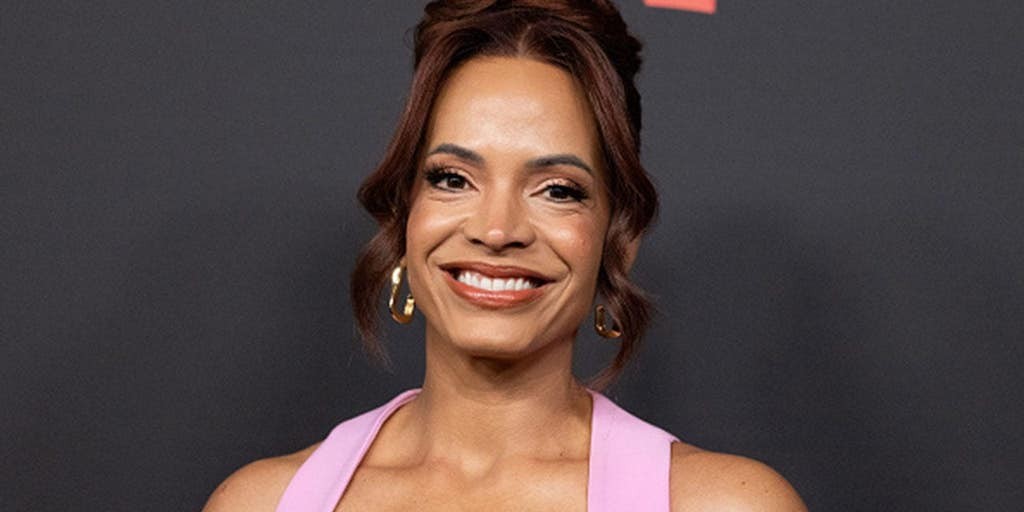
Former ESPN anchor Elle Duncan described the discourse around the WNBA as “toxic as hell” on Tuesday and claimed Black women are the real targets of the league's culture war, remarks that have drawn sharp pushback from critics who say she helped create the very divisions she now condemns.
“It feels like open season to dunk on Black women because we do not have protection. Because no one cares. Because we are low-hanging fruit,” Duncan said during a discussion with Front Office Sports. She added that Black women are, “outside of transgender people, the most marginalized of the marginalized groups.”
Caitlin Clark at the Center of the Fight
Duncan accused unnamed “opportunists” of latching onto Iowa's own Caitlin Clark as a vehicle to diminish Black and queer women.
“It's twofold for them, so you get to lift this one person up, and you get to, ultimately, reduce everybody else that isn't her to nothing,” Duncan said, according to Fox News.
For Iowa fans, the attack will sound familiar. Clark, the former Iowa Hawkeyes star who reshaped women's basketball before heading to the WNBA, has been repeatedly dragged into race-based commentary by national media figures since she entered the league. Duncan herself has been among the most prominent voices framing Clark's record-breaking popularity through the lens of race and privilege rather than achievement.
Clark's rise helped Iowa women's basketball reach audiences the sport had never seen, and the Hawkeyes remain a marquee draw, as seen in the team's loaded 2026-27 schedule.
Critics Point to Duncan's Own Record
According to Fox News, Duncan offered no specific examples to back her claim that Black women lack protection in sports media or the WNBA. Critics quickly noted that her own career suggests otherwise.
ESPN hired Duncan after a 2013 DUI arrest, and she went on to use the network's sports programming for political commentary repeatedly without discipline, Fox News reported. She reportedly lobbied behind the scenes in 2020 to have colleague Sage Steele removed from a social justice special, and Steele was removed. Duncan also used SportsCenter airtime to call for a moment of silence over Florida's parental rights legislation and to condemn the Supreme Court's decision returning abortion policy to the states.
By contrast, ESPN sidelined Steele in 2021 after she discussed political and social issues. Netflix later hired Duncan to anchor its sports coverage.
What About the WNBA Itself?
Observers also dispute the claim that Black women in the league lack protection. The WNBA is composed predominantly of Black women, and several recent controversies ended without discipline.
Fox News noted that A'ja Wilson charged toward a fan in the stands and avoided a suspension, and DiJonai Carrington avoided discipline after a hard foul on Sophie Cunningham this summer, then accused the WNBA of racism on social media. ESPN's primary WNBA studio show features an all-Black female panel that has drawn criticism for holding Clark to a different standard than other players.
The Daily Mail reported that Duncan blamed the “disgusting culture war” on “opportunists” using the discourse to criticize Black and queer women.
Who Actually Started the Toxicity?
The core of the backlash against Duncan's remarks is a simple timeline question. Clark, a white woman from Iowa, entered a predominantly Black league in 2024 carrying a level of fame no WNBA player had ever possessed. Rather than treating her popularity as a historic opportunity for women's basketball, many players and media figures met it with resentment.
Some explicitly attributed her success to white privilege. Others reached for the “great White hope” trope to explain her appeal. Duncan, as ESPN's lead WNBA host at the time, repeatedly criticized Clark over the conduct of anonymous online trolls, as if the rookie were responsible for strangers on the internet.
This summer, according to Fox News, Duncan suggested Clark bore some responsibility for a USA Today column that invoked Emmett Till while warning that Clark's silence in facing online criticism could endanger Black women.
A Revisionist Narrative, Critics Say
Front Office Sports reported that Duncan said the racism directed at Black WNBA players also extends to media members like herself, and represents what Black women face across society. But critics argue that Duncan, Wilson, Carrington, Angel Reese, Monica McNutt, Sheryl Swoopes and others have not been bystanders to the toxic discourse. In many of the league's biggest controversies, they have been the aggressors, not the targets.
Now, those same figures want the backlash against their own rhetoric recast as proof that Black women were the victims all along. That is a convenient rewrite of what actually happened, critics say, and one that treats a Iowa native's success as a grievance rather than a milestone for the sport.
Clark has largely stayed out of the fight, letting her play speak for itself. The league she lifted to record viewership and revenue keeps litigating why she was popular in the first place.
Frequently Asked Questions
What did Elle Duncan say about the WNBA?
In an October 2026 interview with Front Office Sports, Duncan called WNBA discourse “toxic as hell” and said it amounts to “open season” on Black women, whom she called among the most marginalized groups in America.
Why is Caitlin Clark involved?
Duncan accused “opportunists” of using Clark's popularity to diminish Black and queer women. Critics counter that Duncan and other media figures spent years framing Clark's success through race instead of celebrating her record-setting career at Iowa and in the WNBA.
Has Duncan faced consequences for her commentary?
According to Fox News, ESPN never disciplined Duncan for political statements on air, and Netflix later hired her to anchor sports coverage, which critics cite as evidence against her claim that Black women in media lack protection.