
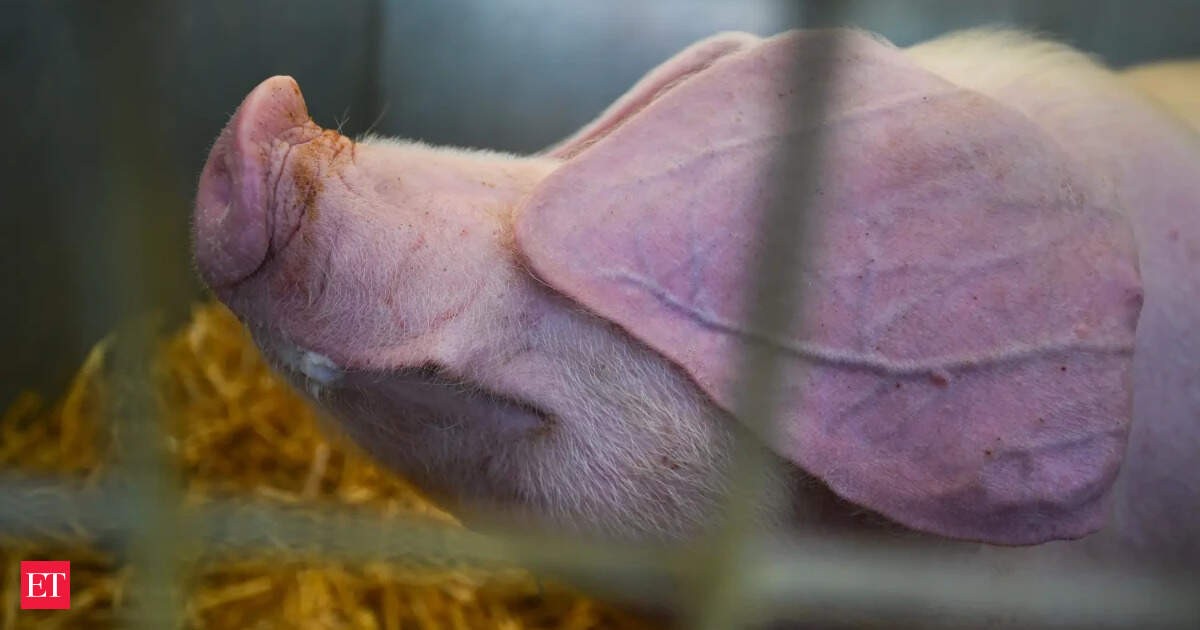
When Hernando de Soto stepped ashore at Tampa Bay in 1539, he carried the seeds of an American agricultural revolution. Not gold or glory, but 13 pigs from Cuba. Within three years, that small herd had multiplied to 700 animals, and their descendants would eventually help make Iowa the undisputed pork capital of the United States.
The story of how a handful of swine became the foundation of a multi-billion-dollar industry is a tale of exploration, migration, and American ingenuity. For Iowa farmers and consumers alike, it's a legacy that still shapes the state's economy and dinner tables today.
Who was Hernando de Soto and why did he bring pigs to America?
De Soto was a Spanish conquistador who had already made his mark in Central America and played a role in Francisco Pizarro's conquest of the Inca Empire. His 1539 expedition into what is now the American South made him the first European documented to cross the Mississippi River.
But his most lasting impact had nothing to do with maps or conquest. The Texas Pork Producers Association has dubbed him the