
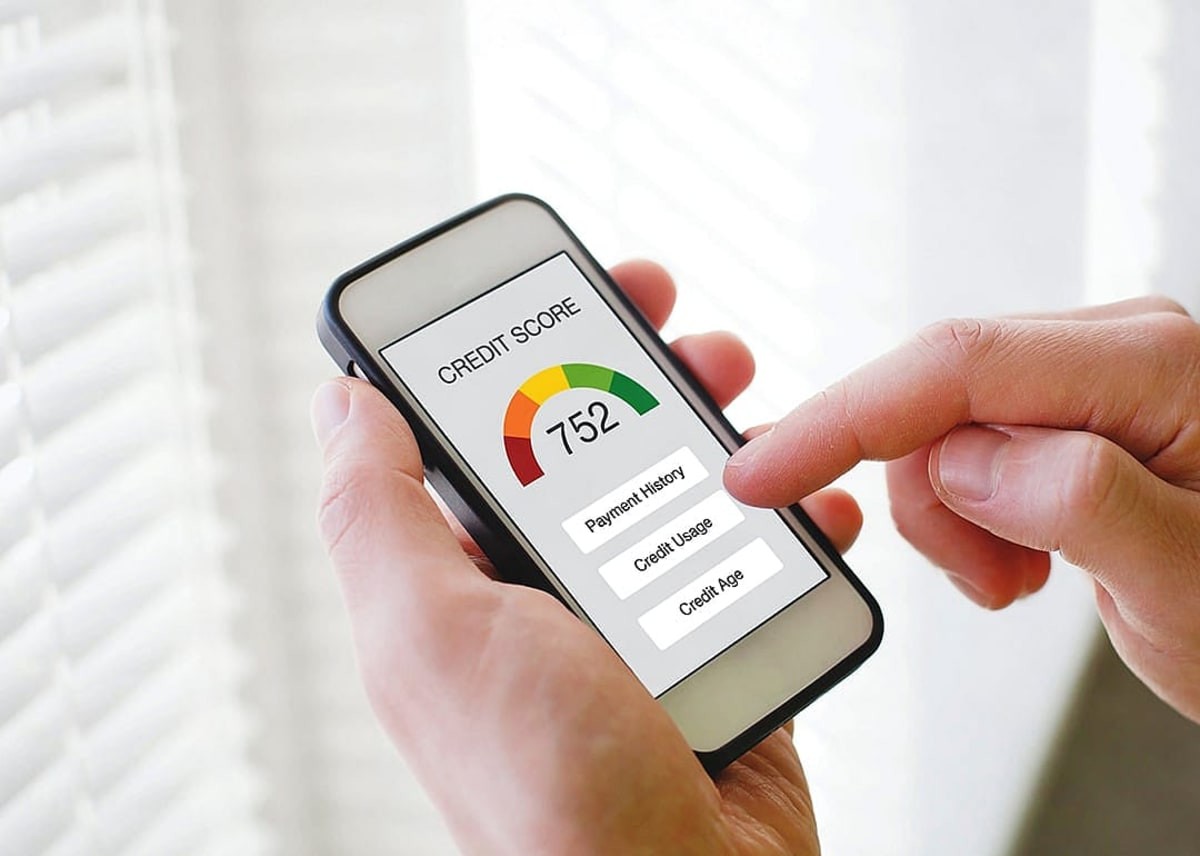
Iowa drivers may be paying hundreds of dollars more for car insurance because of a little-known number that is not the FICO score shown in their banking app. The score, called a credit-based insurance score, is used by 95 percent of auto insurers in states that permit it, according to reporting from Aol based on research by TheZebra.com.
A bill introduced in the Iowa Legislature in early 2026 to restrict the practice died in committee in May, meaning insurers in the Hawkeye State can continue factoring credit data into auto premiums for now.
What Is a Credit-Based Insurance Score?
A credit-based insurance score, or CBIS, is a three-digit rating that insurers calculate from information in your credit reports. It is designed to predict how likely you are to file a claim and how much that claim might cost, not whether you will pay your bills on time.
Carriers draw on the same underlying data as your FICO score but weight it differently, according to Taylor Kovar, a certified financial planner quoted in the report.
However, both scores can move in a similar direction, he said.
In my experience, a lot of people don't realize that an insurance score is part of the policy pricing until a renewal changes, and they're trying to figure out why, Kovar said.
Beth Swanson, an insurance analyst with The Zebra, said the score pulls from payment history, outstanding debt, length of credit history, new credit inquiries, and credit mix. She noted a documented correlation between lower credit scores and higher claims risk.
FICO reports that 95 percent of auto insurers use credit-based insurance scores when determining an applicant's risk in states that allow the practice, according to Aol.
How Much Can It Change Your Premium?
The difference between excellent and poor credit can add several hundred dollars a year to a policy, said Janet Ruiz of the Insurance Information Institute.
A driver with an otherwise identical risk profile but a poor insurance score could pay several hundred dollars more each year, Ruiz said.
Insurers argue the scores let them price risk accurately because the statistical relationship between credit behavior and claim frequency is consistent across millions of policyholders. Supporters also say removing the factor could raise premiums for drivers whose credit currently earns them lower rates, said Dennis Shirshikov, a professor of finance and economics at City University of New York/Queens College.
Critics counter that credit history has nothing to do with driving ability, penalizes people after a medical emergency or job loss, and hits lower-income communities hardest.
Where Iowa Fits in the National Fight
Four states, California, Hawaii, Massachusetts, and Michigan, already ban or sharply restrict the use of credit-based insurance scores in auto pricing, according to the Aol report. Maryland, Utah, and Oregon impose partial limits.
West Virginia introduced a bill this year to ban credit scores across all personal lines of insurance, and Rhode Island introduced a measure to bar credit history from auto rates before holding it for further study.
Iowa had a bill introduced in early 2026, but it died in committee in May, Swanson said. New York, Oklahoma, and Pennsylvania all have active bills right now.
Swanson said the state-level activity shows that as affordability remains a top concern, more states are looking at limiting non-driving factors that have traditionally shaped underwriting.
Regulation of insurance scores happens at the state level, unlike federal oversight of how banks use credit scores. State rules determine what credit report information insurers may use, including total available credit, items under dispute, recent hard inquiries, and medical debt.
What Iowans Can Do to Pay Less
Since credit remains a pricing factor in Iowa, improving your credit profile is one of the most practical steps drivers can take. Experts quoted in the report offered several concrete moves.
- Dispute errors on your credit reports. Under the Fair Credit Reporting Act, you can challenge inaccurate information with Equifax, Experian, and TransUnion for free. Once a bureau corrects its report, ask your carrier to re-rate your policy, Ruiz said.
- Pay bills on time and avoid maxing out credit cards or using too much of your total spending limit.
- Ask your insurer or agent whether a score was used and request the score, the primary reason behind it, or any adverse action notice tied to your pricing, Shirshikov advised.
- Shop around. A different company can weigh your credit differently, and bundling policies, adjusting deductibles, or completing a safe driving program can also lower your rate, Kovar said.
Unlike a FICO score, credit-based insurance scores are generally not available directly to consumers. If you receive an adverse action notice, you can request a free consumer disclosure report from LexisNexis to see what data fed into your score.
Credit reporting agencies such as Equifax, TransUnion, and Experian collect and maintain your credit information, while companies like FICO and VantageScore calculate scores from it,