
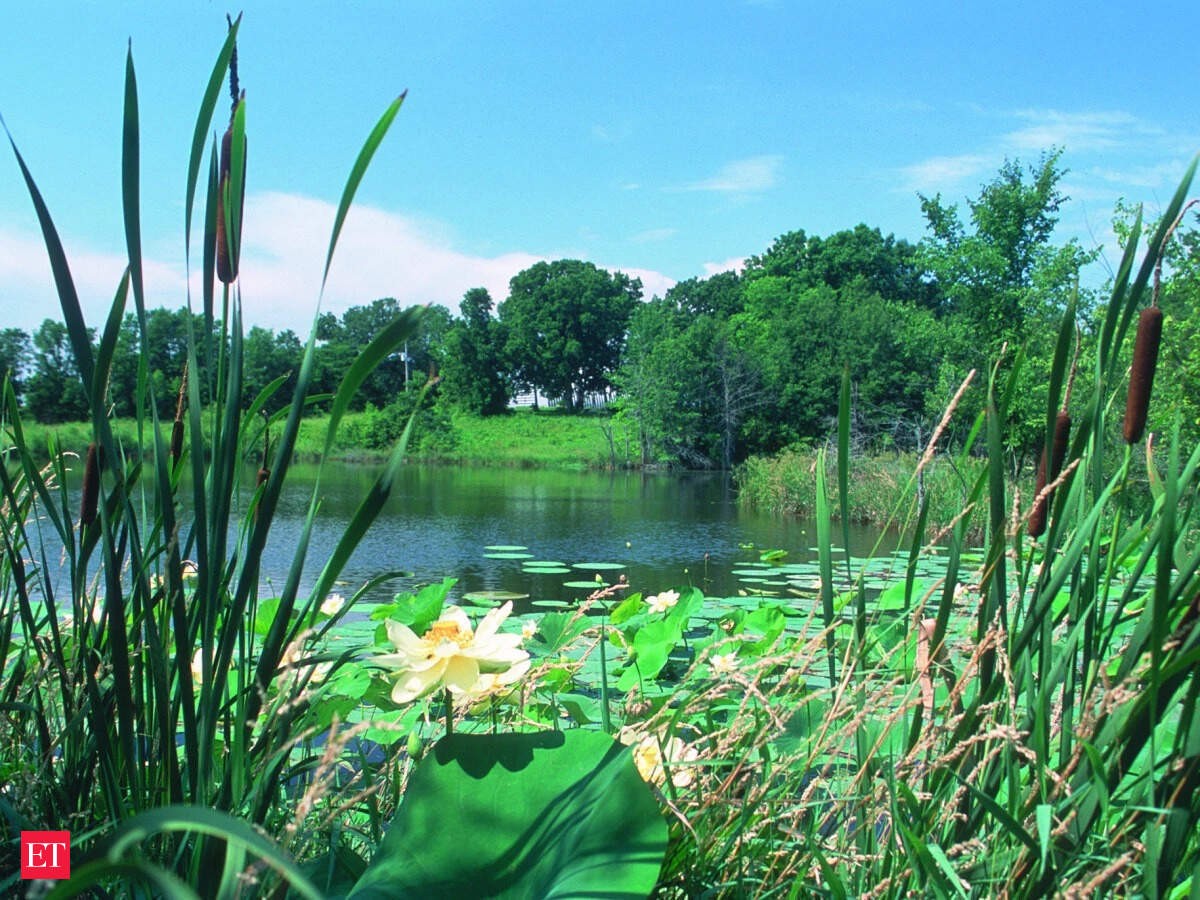
Two neighboring landowners in Pocahontas County have donated adjoining properties totaling 21 acres to create a new conservation area that will protect wildlife habitat and open the land to public recreation. John and Sally Pascal contributed 10 acres of mixed habitat, while their neighbor Gail Ewan donated an adjacent 11 acres, according to a report from Economic Times published November 5.
Both donations were made through the Iowa Natural Heritage Foundation and have since been transferred to Pocahontas County Conservation, which will manage the land for habitat protection and public access rather than future development.
Two properties become one conservation area
Individually, neither parcel was large. Together, they form a single connected conservation area, which matters for wildlife. Small, scattered habitat patches isolate animal populations and limit food supplies. Connected stretches of land allow wildlife to move freely and give conservation managers a better shot at maintaining healthy habitat over the long term.
The Iowa Natural Heritage Foundation noted that the combined property will provide natural habitat protection, opportunities for outdoor recreation, and benefits for wildlife. The land includes mixed habitat suited to walking, wildlife observation, and outdoor education.
Why private land decisions drive Iowa conservation
Iowa ranks 47th in the nation in publicly owned recreation land, with roughly 961,000 acres, less than 3 percent of the state's roughly 36 million acres, held in trust for public use, Enterprise Media reported. That shortage is why private landowners willing to donate or place easements on their property play an outsized role in the state's conservation picture.
Many landscapes that eventually become public conservation land begin with owners who want to leave nature as their legacy. In 2025, the Iowa Natural Heritage Foundation reported that individuals, families, and organizations continued using donations, conservation easements, and other tools to protect prairie, woodland, wetlands, streams, and open farmland across the state.
A pattern of giving across rural Iowa
The Pocahontas County gift is part of a broader run of land donations across the state. In Buena Vista County, a family that spent decades using 3.53 acres beside Owl Lake Creek as a childhood playground donated the land after a dream discussed for 10 to 15 years, and it has now been dedicated as a public park, the Times of India reported. Buena Vista County Conservation Director Greg Johnson helped bring the stakeholders together and move the donation forward. Rather than turning the property into a developed recreation spot, the county plans to focus on protecting its existing natural environment, encouraging native prairie vegetation, managing invasive species, and maintaining water quality along the creek.
In Madison and Clarke counties, a new 422-acre addition to the Heritage Hills Wildlife Management Area, the Jim Wooley Family Tract, has been transferred to the Iowa Department of Natural Resources and opened to the public, according to Enterprise Media.
A gift that outlasts the givers
Unlike many charitable gifts, a conservation donation shapes how land is used for generations. Once protected, the property cannot be subdivided or developed. Native vegetation can be restored, wildlife habitat improved, and the community gains open space that stays open.
For the Pascal and Ewan families, the 21-acre gift means the surrounding landscape stays intact rather than being carved into separate projects. The land remains a place wildlife and people can share, under the steady management of Pocahontas County Conservation.
Frequently asked questions
Who donated the 21 acres in Pocahontas County?
John and Sally Pascal donated 10 acres, and their neighbor Gail Ewan donated an adjoining 11 acres, for a total of 21 acres now managed as one conservation area.
Who manages the donated land?
Pocahontas County Conservation manages the property after the donations were transferred through the Iowa Natural Heritage Foundation.
Can the public use the new conservation area?
Yes. The land is intended for public recreation, including walking, wildlife observation, and outdoor education, while remaining protected as wildlife habitat.