
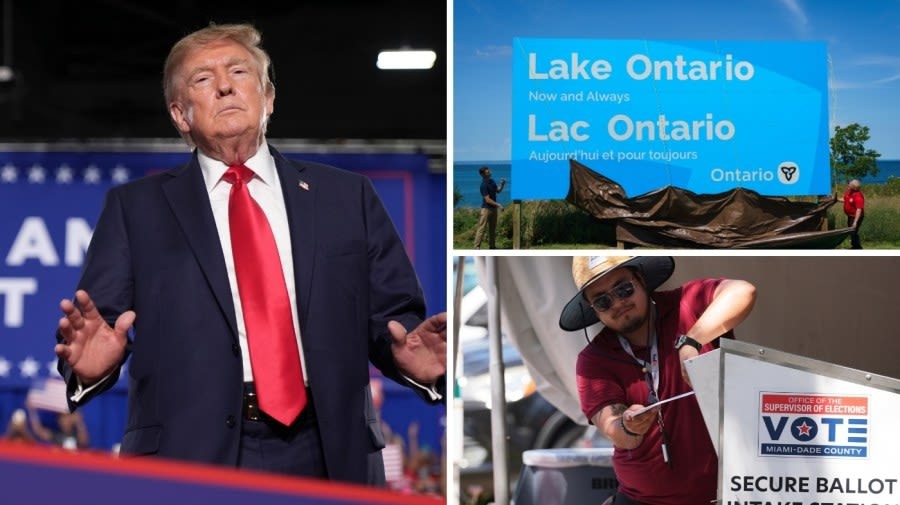
Republicans are heading into the final stretch of the midterm cycle on shaky ground, with Iowa's Senate race emerging as a key battleground as voters weigh President Donald Trump's economic agenda against rising prices, the ongoing Iran conflict, and new trade tensions with Canada. What was once a reliably red seat is now drawing national attention as Democrats see a rare opening in the Hawkeye State.
Iowa, which Trump carried decisively in 2024, has seen its Senate contest tick left in recent polling. Democrats are hoping to flip the seat as part of a broader push to reclaim a congressional majority in November. The tightening race reflects a larger trend across states like Texas, Alaska, North Carolina, Maine, and Ohio, where Republican-held seats are suddenly competitive.
What is driving the shift in Iowa's Senate race?
The political environment has soured for Republicans as Trump's approval ratings dip. Voters are expressing growing unease over the Iran war, persistent inflation, and the pace of immigration enforcement. Democrats have seized on these issues, pouring resources into states they once wrote off.
Despite the headwinds, Trump and GOP leaders are betting on the president's strong base support to drive turnout. Trump urged supporters this week to pretend he is on the ballot in November, a message echoed by allies on the campaign trail. The strategy hinges on energizing conservative voters who may otherwise stay home.
Texas Senate race mirrors national uncertainty
In Texas, Attorney General Ken Paxton (R), who defeated longtime Sen. John Cornyn in the May primary, is locked in a tight contest against state Rep. James Talarico (D). Recent surveys show the two nearly even, with an Emerson College poll putting Paxton at 47 percent and Talarico at 46 percent.
Talarico has a significant fundraising edge, having raised more than $31 million compared to Paxton's $9.3 million, according to campaign finance records. The money gap could prove decisive in a race that national Democrats are watching closely.
Mail-in voting rules spark federal court fight
The approaching elections have also reignited the battle over mail-in voting. The Justice Department on Friday appealed a temporary block on new U.S. Postal Service regulations governing mail ballots, extending a legal fight between Democratic-led states and the Trump administration.
U.S. District Judge Indira Talwani on Thursday barred the administration from enforcing parts of the rule, which required states to submit lists of all eligible voters 90 days before the November midterms to receive mail-in ballots. The judge agreed it would be practically impossible for states to comply, warning of an overwhelming risk that mail voters could be disenfranchised.
The administration pushed back in its appeal, calling the requirements modest and rejecting claims that the federal government is trying to take control of elections.
How are Trump's tariffs on Canada affecting Iowa?
Trade tensions with Canada are adding another layer of uncertainty. A 50 percent tariff on $20 billion worth of Canadian imports took effect last week, prompting Canadian Prime Minister Mark Carney to impose dollar for dollar retaliatory tariffs starting Sept. 8.
Trump raised the stakes Monday, threatening 50 percent tariffs on Canadian automobiles, auto parts, and steel beginning Jan. 1, 2027. He also signed an executive order renaming Lake Ontario, which borders New York, to Lake America.
For Iowa farmers and manufacturers, the dispute is more than a headline. U.S. goods and services traded with Canada totaled an estimated $872 billion in 2025, and supply chains between the two nations are deeply integrated. Higher costs on both sides of the border could ripple through agricultural and industrial sectors that many Iowans depend on.
What does the Iran war mean for gas prices in Iowa?
The economic confrontation with Canada comes as the administration juggles pressure from its nearly six-month war with Iran. Treasury Secretary Scott Bessent on Monday announced Operation Economic Outcast, an effort to push countries to cut financial ties with Tehran or risk losing access to the U.S. dollar system.
The move follows Trump's threat of an economic D-Day against Tehran and comes after a June memorandum of understanding fell apart last month. Talks over shipping through the Strait of Hormuz have also stalled.
Gas prices have skyrocketed since the conflict began, a concern for Iowa families already feeling the pinch of inflation. Trump announced Friday night that the U.S. reached a deal giving it majority control over a portion of Venezuela's oil reserves, which he said would increase American supplies and eventually lower prices at the pump.
Who is appearing on the Sunday shows?
Here is the full lineup of guests on the Sunday morning news programs:
- Fox News's Sunday Morning Futures: Rep. Brian Mast (R-Fla.), Rep. Tom Emmer (R-Minn.), Sen. Ashley Moody (R-Fla.)
- Fox News's Fox News Sunday: Former White House chief of staff Rahm Emanuel
- NewsNation's The Hill Sunday: Panel with Bill Sammon, Tal Kopan, and Michelle Price
- ABC's This Week: Ontario Premier Doug Ford
- CBS News's Face the Nation: Sen. Richard Blumenthal (D-Conn.), Rep. John James (R-Mich.)
- CNN's State of the Union: Rep. Ro Khanna (D-Calif.), Border czar Tom Homan
- NBC News's Meet the Press: Sen. Ted Cruz (R-Texas), Rep. James Clyburn (D-S.C.)
What should Iowa voters watch for in November?
With control of Congress on the line, Iowa voters will play a pivotal role in determining the balance of power. The Senate race is no longer a foregone conclusion, and national trends suggest the outcome could hinge on how voters weigh economic concerns against their support for Trump's agenda.
For Iowans, the key issues remain pocketbook matters: gas prices, trade policy, and the cost of living. As the campaign heats up, expect both parties to make their case directly to the state's voters, with the outcome likely to be decided by turnout in the final weeks.