Iowa families receiving food assistance won't see new restrictions on sugary drinks and candy anytime soon, after a federal court blocked the state's waiver request. But the debate over what SNAP benefits should cover is far from settled, as several other states move forward with similar bans.
The federal court ruling in June vacated the USDA's approval of SNAP waivers for Iowa and four other states, meaning the junk food restrictions cannot take effect there. The decision came after a lawsuit challenged the agency's authority to redefine what counts as eligible food under the program.
What the court ruling means for Iowa
Judge Amy Berman Jackson of the US District Court for the District of Columbia ruled that the waivers violated Congress's definition of food. The judge wrote that Congress did not authorize the agency to cut types of food out of SNAP entirely.
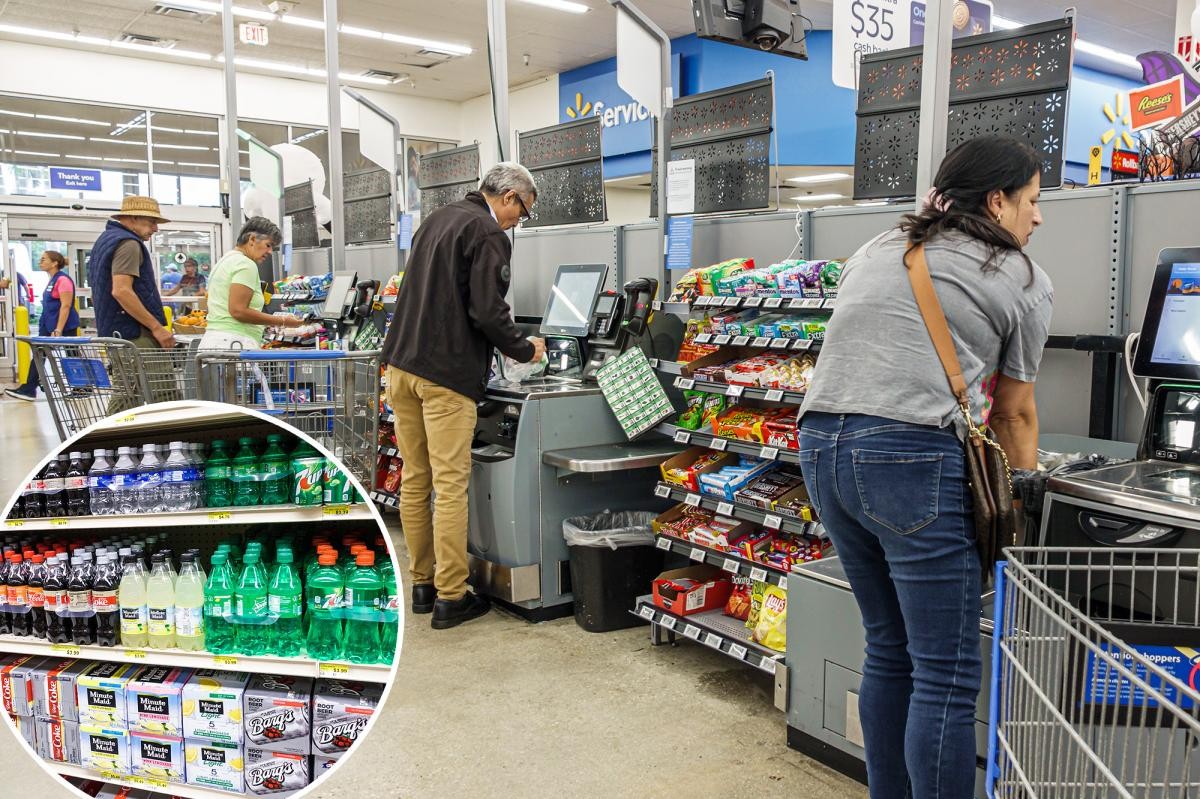
That ruling blocks implementation in Colorado, Iowa, Nebraska, Tennessee, and West Virginia. For Iowa families, that means SNAP benefits can still be used to purchase items like soda, candy, and other sweetened beverages at grocery stores across the state.
Other states moving forward with junk food bans
Despite the court setback, momentum for restricting SNAP purchases continues in other parts of the country. Arkansas, Florida, Idaho, Indiana, Louisiana, Oklahoma, Texas, and Utah have already begun enacting similar restrictions on soda, sugary drinks, candy, and other unhealthy options.
Hawaii, Kansas, Missouri, Montana, North Dakota, Nevada, Ohio, Virginia, and Wyoming have plans to begin restrictions as soon as next month.
South Carolina's policy, which takes effect November 1, 2026, will prohibit SNAP shoppers from using benefits to buy candy, energy drinks, soft drinks, and sweetened beverages. The state's Department of Social Services confirmed the timeline.
Why some leaders support the restrictions
Supporters argue the restrictions ensure taxpayer dollars are spent on nutritious food rather than products that contribute to health problems. South Carolina Governor Henry McMaster thanked President Trump and Secretary Rollins for approving what he called a light-touch, common-sense approach.
By encouraging families to purchase healthy, nutritious food and not junk food, we ensure federal taxpayer dollars are used to their maximum benefit and keep South Carolina at the forefront of the effort to Make America Healthy Again, McMaster said.
Health and Human Services Secretary Robert F. Kennedy Jr. echoed that sentiment, arguing that taxpayers should not fund programs that make people sick and then pay again to treat those illnesses.
Opponents cite costs and legal concerns
Critics of the restrictions point to significant costs for retailers and potential harm to low-income families. A report by the National Grocers Association estimated that implementing SNAP restrictions would cost US retailers $1.6 billion initially and $759 million annually thereafter.
Gina Plata-Nino, SNAP director for the Food Research and Action Center, warned that punishing SNAP recipients means everyone pays more at the grocery store.
The lawsuit against the USDA argued the agency lacked authority to decree which foods qualify for purchase through the program. The court agreed, finding that Congress defined what food is supposed to be and did not authorize the agency to amend that definition.
What Iowa SNAP recipients should know
For now, Iowa families can continue using SNAP benefits as they have before. The court ruling means no immediate changes to eligible items at Iowa grocery stores.
However, the legal battle may not be over. The USDA could appeal the ruling, and state leaders may seek new legislative authority to implement similar restrictions in the future.
Iowa shoppers who want to stay informed about any changes to SNAP eligibility should monitor announcements from the Iowa Department of Health and Human Services.
How SNAP works for Iowa families
SNAP, formerly known as food stamps, provides food assistance to eligible households and supports approximately 42 million Americans. The monthly benefit averages $344 per household and is delivered on debit cards that can only be used for groceries.
Under federal law, SNAP benefits can generally be applied to any food intended for home consumption, with exceptions for alcohol, tobacco, and hot prepared foods. The program remains a critical support for many Iowa families facing food insecurity.
Frequently asked questions about SNAP restrictions
Will Iowa SNAP recipients face junk food restrictions soon?
No. A federal court blocked Iowa's waiver, so no restrictions are currently in effect. The ruling prevents implementation unless the decision is overturned on appeal.
Which states have active SNAP junk food bans?
Arkansas, Florida, Idaho, Indiana, Louisiana, Oklahoma, Texas, and Utah have begun enacting restrictions. Several other states plan to start as soon as next month.
What items are banned under South Carolina's new policy?
South Carolina will restrict candy, energy drinks, soft drinks, and sweetened beverages starting November 1, 2026. Protein bars, granola bars, baby formula, and most fruit and vegetable juices remain eligible.