
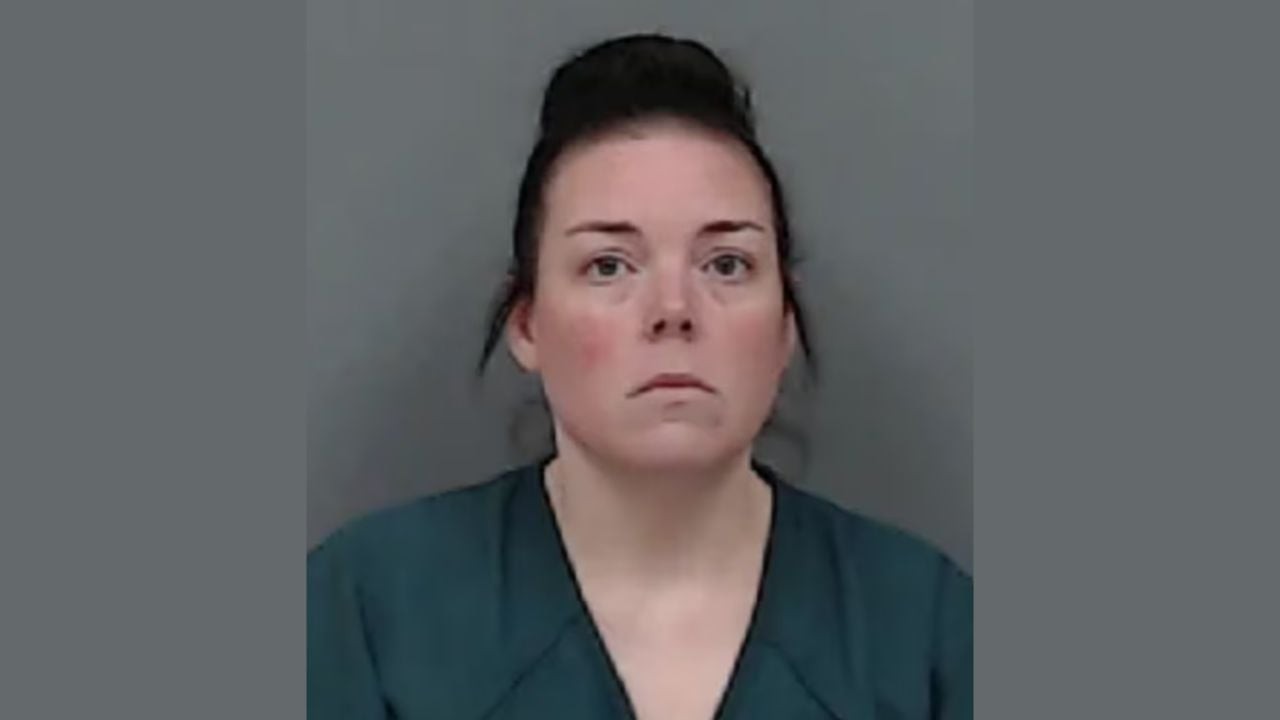
A Palo woman is accused of collecting $21,789 in food assistance she was not entitled to by understating her income over a two-year period, and now faces two felony charges in Linn County.
Aeryka Ashleigh Walker, 38, was charged with first-degree fraudulent practice and ongoing criminal conduct. A criminal complaint was filed November 3, according to the Linn County court docket, and investigators say some of her income declarations reported no earnings at all despite records showing she was receiving paychecks.
What Investigators Say Happened
According to Aol's reporting on the case, the alleged false income reporting occurred between July 2024 and July 2026. Investigators with the Iowa Department of Inspections, Appeals and Licensing examined documents and statements Walker provided to the Iowa Department of Health and Human Services.
KCRG reported the allegations on November 7, citing the criminal complaint. The station's account of the complaint says records showed Walker was working and receiving regular pay while reporting lower earnings or no income to the state.
Investigators said the excess benefits often amounted to $300 or more per month. The Supplemental Nutrition Assistance Program, or SNAP, helps eligible households purchase groceries, with benefit amounts based on household income, deductible expenses and household size.
Two Felony Charges and a $35,000 Bond
The Linn County court docket lists ongoing criminal conduct under Section 706A.2(4) as a Class B felony and first-degree fraudulent practice under Section 714.9 as a Class C felony. The case is numbered 06571 FECR166885.
Under Iowa's fraudulent-practice law, an offense involving more than $10,000 falls within the first-degree classification. The ongoing-criminal-conduct provision cited in Walker's case concerns unlawful activity committed for financial gain on a continuing basis.
The November 6 initial-appearance entry lists a $35,000 cash-or-surety bond and a November 16 hearing at 8:30 a.m. It also calls for supervision if Walker is released. She is presumed innocent unless proven guilty.
Why SNAP Fraud Cases Matter for Iowa Taxpayers
SNAP is funded by federal taxpayers and administered through state agencies, and every dollar paid out based on false income reports is a dollar taken from working Iowans. Cases like this one fuel ongoing debate over whether public assistance programs are being adequately policed and whether state agencies have the tools to catch fraud before it runs for years.
Iowa is not alone. Similar cases have surfaced recently in other states. An Adams, New York, woman was arrested on four felony counts alleging she received more than $12,000 in SNAP benefits she was not entitled to, WWNY reported. In Massachusetts, a former state official was indicted on wire fraud charges for allegedly using SNAP benefits while facing separate drug charges.
Supporters of stricter program integrity checks argue that aggressive enforcement protects the benefits of honest recipients. Critics of loose oversight point to cases like Walker's, where alleged overpayments continued for two years before charges were filed, as evidence that reporting systems need stronger verification.
How Iowa SNAP Recipients Can Stay on the Right Side of the Rules
For the thousands of Iowans who receive SNAP benefits honestly, the rules are straightforward. Iowa's Reporting SNAP Changes notice tells households to report when their total gross income exceeds the limit printed on their notice. The deadline for covered changes is the 10th of the following month.
Gross income means income before taxes and other deductions. Recipients can call 877-347-5678 to report changes or ask questions about their SNAP case.
Keeping pay stubs, benefit notices and copies of submitted reports can help document the information provided to HHS. That paper trail matters if a dispute ever arises.
What Happens if You Get an Overpayment Notice?
Not every overpayment is fraud. Iowa Legal Aid explains that overpayments can result from honest reporting mistakes or even agency errors, and recipients may appeal an overpayment notice they believe is wrong. Iowa HHS provides an appeal and hearing process and lists a 90-day timeframe for SNAP appeals.
The distinction matters legally. Walker's case involves criminal charges because investigators allege deliberate misreporting over a sustained period, not a paperwork error.
FAQ
How much SNAP money is Aeryka Walker accused of fraudulently receiving?
Investigators allege Walker received $21,789 more in SNAP benefits than she was entitled to between July 2024 and July 2026, according to the Linn County criminal complaint.
What charges does she face?
Walker faces two felonies: first-degree fraudulent practice, a Class C felony, and ongoing criminal conduct, a Class B felony, according to the Linn County court docket.
When is her next court hearing?
A hearing is scheduled for November 16 at 8:30 a.m. in Linn County, following a November 6 initial appearance with a $35,000 cash-or-surety bond.
How can Iowa SNAP recipients avoid overpayment problems?
Report income changes to HHS by the 10th of the following month, keep pay stubs and benefit notices, and call 877-347-5678 with questions.