
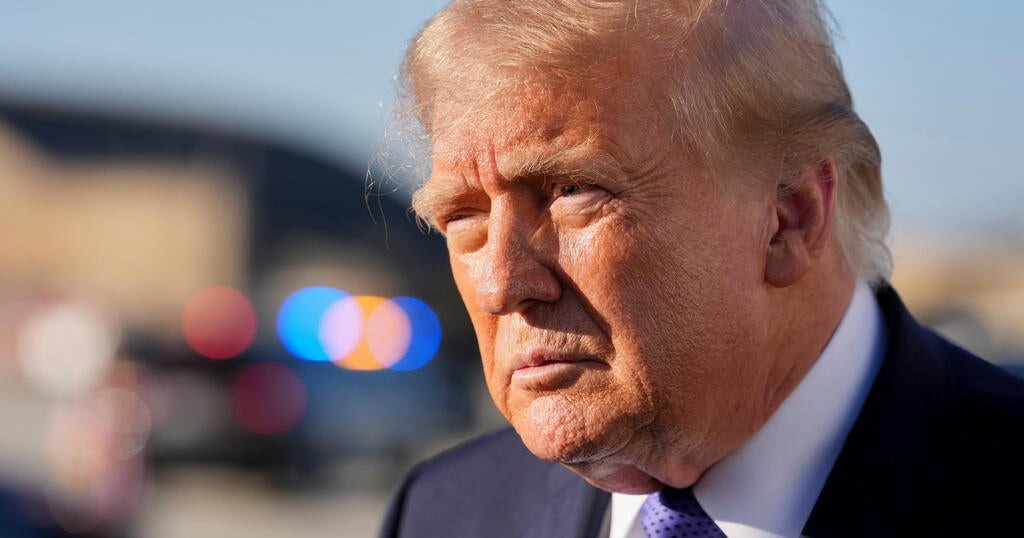
President Donald Trump scrapped a planned Sunday rally in Iowa on October 30, 2026, part of a canceled weekend swing that also included Kansas, as his team shifts to a nationwide telerally effort ahead of the midterm elections.
The Republican National Committee said the cancellations happened because the party is in a strong position. Instead of the in-person stops, Trump plans to hold telerallies in 19 states in the coming days, according to CBS News. The Associated Press later reported the rallies in Kansas and Iowa could still go forward after initially being called off, though the White House has not confirmed final plans.
What the canceled Iowa visit means
The Iowa rally would have been Trump's latest push to energize Republican voters in a state that has trended red in recent cycles. He campaigned in South Carolina on October 29 for GOP Sen. Lindsey Graham and heads to Daytona Beach, Florida on October 31.
The Florida stop backs Republican Sen. Ashley Moody, who faces Democrat Angie Nixon, and GOP Rep. Byron Donalds, who is running for governor against Democrat David Jolly.
Trump has told rally crowds to pretend he is on the ballot, a message meant to drive turnout for down-ballot Republicans. The telerally format lets him reach states like Iowa without the cost and logistics of a full presidential visit, and party officials clearly see no need to scramble resources where they believe the map favors them.
Voting is already well underway
More than 44.8 million Americans had already cast ballots as of Thursday evening, according to the University of Florida Election Lab. That includes nearly 23.6 million in-person early votes and 21.3 million returned mail ballots.
Iowa voters have shown strong early participation in past midterms, and Republican strategists have pointed to enthusiasm for Trump's agenda as a factor in this cycle's turnout.
Alaska ballot controversy draws national attention
The biggest election story of the week is unfolding in Alaska, where Democratic Senate candidate Mary Peltola is facing questions over how a man named Daniel J. Sullivan ended up on the ballot against Republican Sen. Dan Sullivan.
The New York Times reported on October 30 that Democratic operatives linked to Peltola's campaign and the Democratic Senatorial Campaign Committee allegedly helped recruit the same-named candidate, which Peltola's team and national Democrats strongly deny.
Peltola addressed the controversy at a rally in Juneau on October 29.
I just want to clear the air. I knew nothing about any other candidates on the ballot except for me and the incumbent. That is all I have ever known about. I am not interested in tricking voters. I know I can beat Dan Sullivan.
The Justice Department has issued new grand jury subpoenas in a criminal investigation into the race, and the Trump administration is suing to block certification of the election if Sen. Sullivan loses due to voter confusion. Trump has called for both Peltola and Daniel J. Sullivan to be removed from the ballot and prosecuted, and Republicans including Vice President JD Vance have echoed calls for a criminal investigation.
Alaska Republican Gov. Mike Dunleavy ordered a state investigation and said the probe could impact whether somebody is seated in the U.S. Senate. A Peltola campaign spokesperson called that a threat to overrule the will of Alaska voters and said Peltola will not be intimidated.
Federal pressure on California election officials
The Justice Department issued grand jury subpoenas to California state and local officials between October 21 and 24, escalating a dispute over federal allegations that as many as 20,000 non-citizens may be registered to vote in the state before the midterms.
The subpoenas came shortly after a judge rejected the administration's bid to force California officials to separate out tens of thousands of mail ballots. The New York Times reported the court rejected the latest effort to impound California ballots on October 30.
The case has become a flashpoint in the broader debate over election integrity, an issue Republican officials have pressed in statehouses including Iowa's in recent years.
Farm economy weighs on Kansas Senate race
In Kansas, where Trump's canceled Saturday rally has become part of a surprisingly tight Senate race between Republican Sen. Roger Marshall and Democrat Adam Hamilton, farmers are openly frustrated with rising costs.
There's a lot of pissed-off farmers right now at Trump and Marshall, said Kansas farmer Jeff Preisser, because you see the situation we're in.
Preisser's family said it cost them $737,375 more to operate their farm in 2026 than last year, driven almost entirely by higher diesel and fertilizer costs tied to the Iran war. Drought, low commodity prices and trade wars cut their revenue by $325,000.
The squeeze scrambles loyalties in farm country, a dynamic Iowa agricultural producers know well after several years of tight margins and volatile input costs.
FAQ
Why did Trump cancel his Iowa rally?
The Republican National Committee said the cancellations in Kansas and Iowa were because the party is in a strong position. Trump plans telerallies in 19 states instead, though AP reported the in-person rallies could be revived.
What is the Alaska ballot controversy about?
A man named Daniel J. Sullivan is on the ballot against Republican Sen. Dan Sullivan. The New York Times reported Democratic operatives linked to Mary Peltola's campaign helped recruit him, a claim Peltola and national Democrats deny. Federal and state investigations are underway.
How many Americans have voted so far?
As of Thursday evening, October 30, 2026, 44.8 million Americans had cast ballots, including nearly 23.6 million in-person early votes and 21.3 million mail ballots, according to the University of Florida Election Lab.