
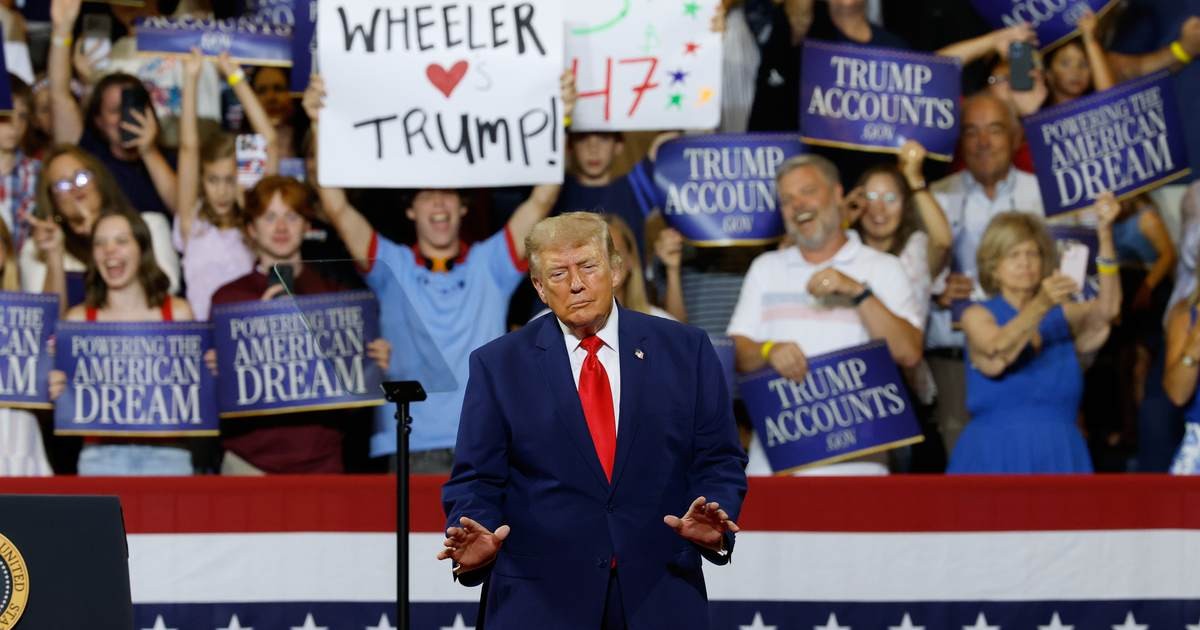
President Donald Trump will campaign in Iowa and Kansas on Sunday, October 31, reversing a midweek decision to cancel the in-person stops in favor of tele-rallies. The president announced the reversal on Friday, restoring back-to-back rallies in Dubuque, Iowa, and Salina, Kansas, two states with Senate races that could help decide control of the chamber.
The Republican National Committee had originally shifted the events to a phone-based format across nearly 20 states, arguing the party's standing in those places was strong enough that remote events could reach more voters in the campaign's final days. According to Redstate, Trump said he felt fine and had initially believed local candidates were running well enough that an in-person visit was unnecessary, but local supporters and candidates asked him to come anyway.
Why the Iowa stop matters
The Saturday schedule change puts the president back in the heartland days before the midterms, and the message to Iowa voters is hard to miss. The state sits at the center of American agriculture, ethanol production, and advanced manufacturing, and its Senate contest is among the races that will determine the balance of power in Washington.
The Associated Press, reporting through Yahoo News, notes that early voting is surging nationwide and that the reshuffled schedule underscores the Republican push to drive turnout before Election Day. Early voting data already show higher participation than at the same point in the last midterm cycle, according to Redstate's report.
The cancellation that lasted less than a week
On Friday, Trump briefly appeared to change strategy, saying he would lean on tele-rallies in the homestretch and canceling the planned Iowa and Kansas visits, according to AP News. The pivot drew immediate attention because both states host competitive Senate races where turnout could make the difference.
By the end of the day, the plan had changed again. The Kansas City Star reported that Trump decided to hold the in-person rallies in Iowa and Kansas while still headlining tele-rallies in other states. The Republican National Committee later confirmed he would campaign in Dubuque and Salina, according to PBS NewsHour.
Critics have pointed to the back-and-forth as a sign of uncertainty in the closing stretch. Supporters read it differently, as a president willing to adjust when candidates and grassroots activists ask him to show up.
Personal appearances still drive turnout
In tight Senate contests, a presidential rally can move votes in ways a phone event cannot. Rural and small-town voters respond to candidates who physically appear in their communities, and Iowa Republicans have long rewarded that kind of attention.
Trump has kept a demanding travel schedule through October, holding rally after rally to energize his coalition, AP News reported. The return to Iowa and Kansas keeps that pace going into the final weekend.
A different picture from 2022
The contrast with the previous administration's midterm effort is clear. Joe Biden's 2022 campaign travel was limited and often strained, cut short in part by a COVID diagnosis that forced isolation and canceled events, according to Redstate. His appearances frequently raised questions about stamina rather than projecting steady leadership for his party's candidates.
Trump's choice to appear in person in two farm states, with early voting already climbing, presents the opposite image at a moment when both parties are fighting for every vote.
The heartland is not an afterthought
The bigger story for Iowa readers is about how national campaigns allocate their time. Coastal media markets and big-city population centers draw constant coverage, but the work of feeding the country, refining fuel, and keeping supply chains running happens in places like Dubuque and Salina.
Trump's restored schedule affirms that the center of the country still counts. For voters weighing candidates on inflation, border security, and economic opportunity, a presidential visit in the final days reinforces that their priorities rank high on the national agenda.
The rallies come as early voting data already show higher participation than at the same point in the previous midterm cycle, and both Senate races remain tight heading into Tuesday's Election Day.
Frequently asked questions
Where will Trump hold his Iowa rally?
The Republican National Committee confirmed Trump will campaign in Dubuque, Iowa, and Salina, Kansas, with back-to-back rallies on Sunday, October 31.
Why did Trump originally cancel the Iowa and Kansas events?
The Republican National Committee announced a shift to tele-rallies across nearly 20 states, citing strong positions in Iowa and Kansas and a desire to reach more voters remotely before the midterms.
What changed Trump's mind about the rallies?
Trump said he felt fine and believed local candidates were performing strongly, but local supporters and candidates requested the in-person events, prompting the reversal on Friday.