
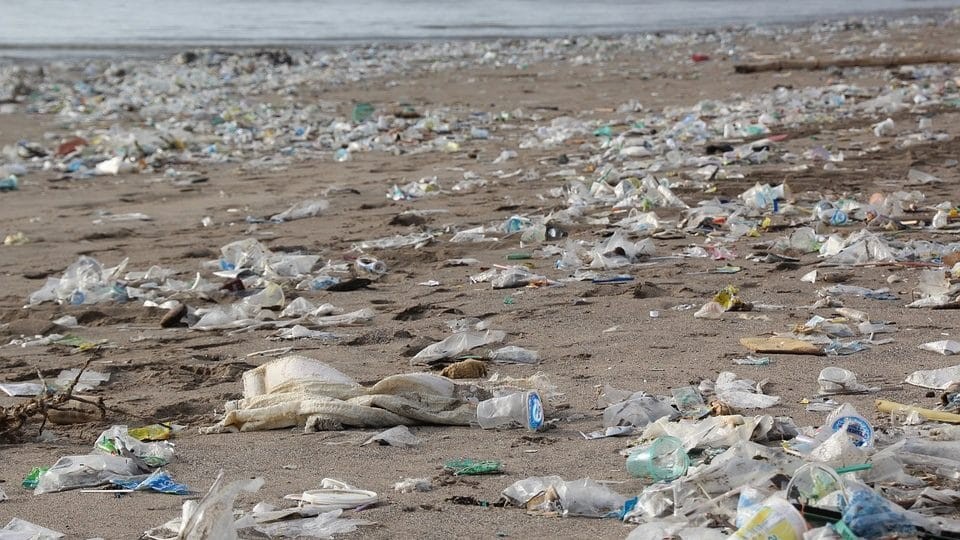
A landmark Indian court ruling is exposing an uncomfortable truth for Iowans who diligently sort their recyclables: much of that waste may be ending up in developing nations, where it pollutes local communities and undermines their sovereignty. The Madras High Court recently ruled that importing solid waste into India constitutes an aggravated form of treason, calling the practice waste colonialism.
The case involved two Indian paper manufacturers who imported containers labeled as recyclable paper waste from Canada and the United States. Upon inspection at Tuticorin Port, customs officials discovered the shipments contained municipal solid waste, including used PET bottles, plastic bags, cans, and even street sweepings. The court ordered the waste returned to its country of origin, rejecting a proposal to divert it to Dubai where it could have been dumped in an African landfill.
What Does This Have to Do With Iowa?
Plenty, according to the ruling and previous investigations. A Bloomberg TV investigation years ago traced plastic waste from American households, including those in Iowa, to landfills outside Muzaffarnagar, India, over 7,000 miles away. The investigation identified PET bottles, aluminum cans, and Amazon labels from customers who believed they were recycling their paper waste responsibly.
Author Meenakshi Lekhi, a BJP leader and lawyer who wrote about the ruling, said she personally observed mountains of shredded mixed plastic waste dumped along the banks of the Kali River during a trip through the region last year. Such waste and its pollutants can eventually enter soil and water systems, raising concerns about their impact on food and drinking-water supplies.
India's Growing Waste Import Problem
India imported over $12.74 billion worth of recyclable waste and scrap in 2024-25 alone, according to dollarbusiness.com. While Indian environmental law restricts the import of municipal or hazardous waste for disposal, unscrupulous importers misdeclare these materials as metal scrap or paper scrap to bypass regulations.
Between 2021 and 2023, India received approximately 200 million kilograms of plastic waste. Germany alone exported 279 million kg of plastic waste between January and June 2025, shifting its waste trade from European countries toward Malaysia, Indonesia, Vietnam, and India.
Why Should Americans Care?
The practice raises serious questions about the true cost of recycling programs in the United States. When Americans place items in recycling bins, they often assume the materials are processed domestically. Instead, much of that waste is shipped overseas, where weaker regulatory frameworks and cheaper labor make it an attractive destination.
The Madras High Court described such transfers as a direct challenge to India's sovereignty and a gross environmental and social injustice brought upon the Global South by developed nations. The court noted that developed countries dump toxic and hazardous waste to shift the burden of disposal, externalizing the environmental and social costs associated with such waste.
What Are India's Rules on Waste Imports?
India's Hazardous and Other Wastes (Management and Transboundary Movement) Rules, 2016 prohibit the import of hazardous and other wastes for final disposal. Imports of permitted materials are allowed only for resource recovery, recycling, reuse, or co-processing, subject to regulatory requirements and authorization.
Businesses must obtain prior authorization from India's Ministry of Environment, Forest and Climate Change, secure permissions from State Pollution Control Boards, and comply with international transit protocols. Certain highly polluting materials, including household waste and specific plastic scraps, face an unconditional ban.
The Hidden Costs of Waste Imports
Despite these regulations, lax inspections at incoming ports, unscrupulous middlemen, and possible financial incentives are allowing domestic and toxic waste from exporting countries to enter India. The court ruling praised vigilant customs officers at Tuticorin Port for seizing the consignments, but questions remain about how many containers of foreign waste may be entering undetected through other ports.
The consequences are severe. Enormous volumes of imported waste have been found dumped in Indian landfills, burned, or discharged into rivers. Pollutants eventually reach local ecosystems and potentially contaminate drinking-water sources. Many pollutants ultimately reach the oceans, allowing Western research to portray Asian countries as major sources of marine litter while overlooking the foreign origin of much of the waste.
What Can Be Done?
Lekhi calls for greater public awareness and activism on this issue, arguing that Indians need to be sensitized and informed about the dangers of waste colonialism. She also urges coordination with local authorities and recycling units to manage India's own waste supply chains before taking on waste generated elsewhere.
For American consumers, the ruling serves as a reminder that recycling is not a simple solution. The waste placed in curbside bins can travel thousands of miles, creating environmental and social problems in communities that lack the resources to manage it properly.
The Madras High Court's ruling is a wake-up call that extends far beyond India's borders. It challenges the assumption that recycling programs are inherently beneficial and raises questions about who bears the true cost of American consumption.
John Damon is a journalist covering conservative perspectives on national and international issues.