
By John Damon | August 28, 2026
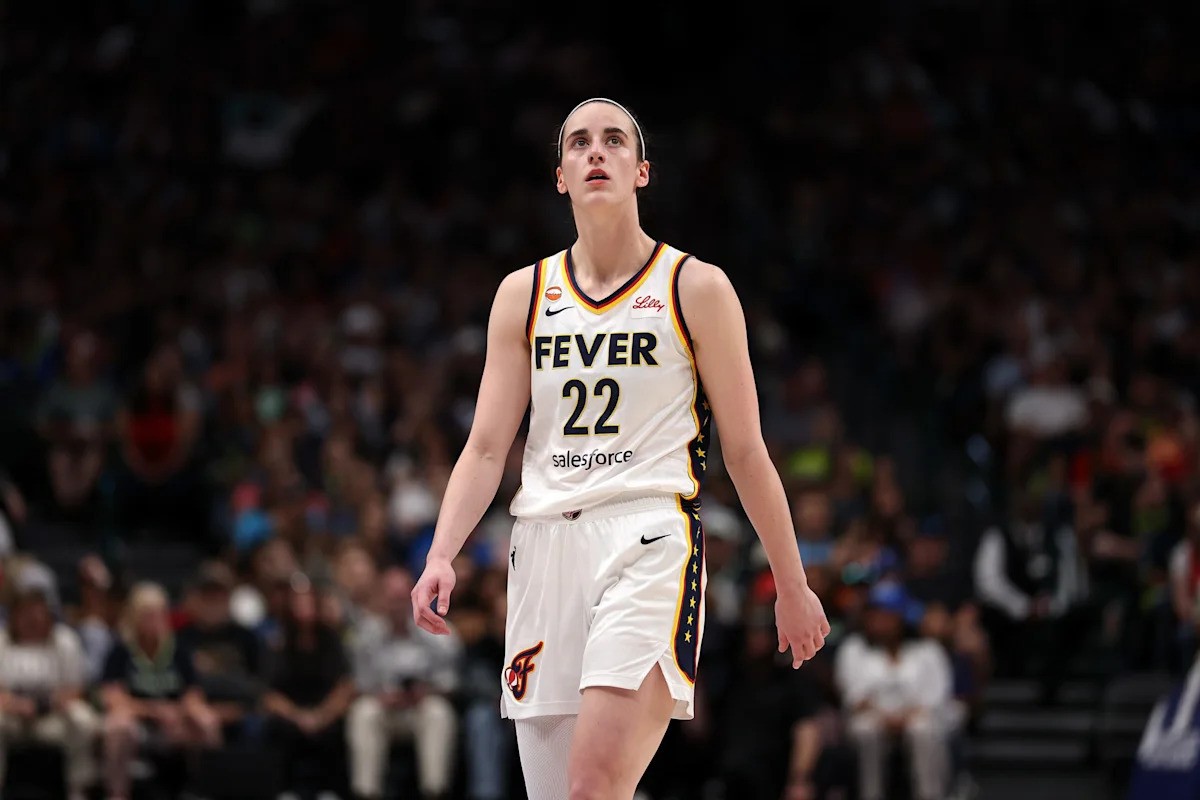
The WNBA is growing faster than ever, and with that growth comes a bigger spotlight. But according to veteran broadcaster Ryan Ruocco, the league's biggest stars, including Iowa native Caitlin Clark, are carrying an unfair share of the criticism while other players get a free pass.
In a recent appearance on the Road Trippin' Show, Ruocco made a bold case for changing how the league and its fans talk about the game.
“For this league to grow, people have to feel comfortable being critical, and it not being a personal attack or hating. And people have to be critical of more than just Caitlin Clark, quite frankly,” Ruocco said. “In my opinion, most of the ecosystem feels comfortable being critical about one player; maybe two (Angel Reese) would be the other. Everybody else, people are very afraid to say anything bad about, even if it's a very small micro thing, and that's not real sports.”
Why Caitlin Clark and Angel Reese Face the Most Heat
Clark and Reese have been the two most scrutinized players in the WNBA since they entered the league. Both came in as massive college stars, with Clark's final season at Iowa and Reese's time at LSU drawing record attention to women's basketball.
That spotlight followed them into the pros. Nearly every game, every turnover, and every sideline interaction involving Clark becomes a national conversation. Early in the 2026 season, drama between Clark and Fever head coach Stephanie White was blown out of proportion, and a heated on-court moment was dissected far beyond what it deserved.
Ruocco's point is not that Clark or Reese should be shielded from criticism. Instead, he argues that real sports coverage should allow analysts to break down performances, point out mistakes, and discuss flaws without turning those observations into personal attacks.
The Fine Line Between Criticism and Hate
As the WNBA has moved into the mainstream, it now faces the same daily scrutiny as the NBA and NFL. Defensive lapses, poor offensive sets, and questionable decisions are all fair game for analysis. But the line between sports criticism and personal attacks has become dangerously blurred.
Players across the league have spoken openly about the toll online harassment takes on their mental health. The league and its players' association have repeatedly addressed the need to protect players from abuse.
Last season, the WNBA launched its No Space For Hate platform, which the league describes as a “multi-dimensional platform designed to combat hate and promote respect across all WNBA spaces, from online discourse to in-arena behavior.”
What This Means for the WNBA's Future
As the league's audience grows, more players will find themselves under the kind of scrutiny that comes with being a professional athlete in a major sports league. Mistakes will be analyzed, performances will be questioned, and bad games will become part of the conversation. That is simply part of the territory.
But Ruocco believes that same level of openness should extend beyond Clark and Reese. If the league is truly ready for the big stage, every player should be evaluated on their basketball, not just the two biggest names in the sport.
For Iowa fans who watched Clark light up Carver-Hawkeye Arena, the debate is familiar. Clark has always played with a target on her back, and that has not changed in the pros. The question now is whether the rest of the league is ready to handle the heat that comes with the spotlight.
FAQ
What did Ryan Ruocco say about Caitlin Clark?
Ruocco said people need to be critical of more than just Caitlin Clark, arguing that the WNBA ecosystem is afraid to criticize other players while Clark and Angel Reese face disproportionate scrutiny.
Is Caitlin Clark being treated unfairly by WNBA critics?
Ruocco suggests that Clark and Reese absorb most of the criticism in the league, while other players are rarely held accountable for their performances. He wants broader, fairer sports analysis across the entire league.
What is the WNBA's No Space For Hate platform?
The WNBA launched No Space For Hate last season to combat hate and promote respect across all league spaces, including online discourse and in-arena behavior.