
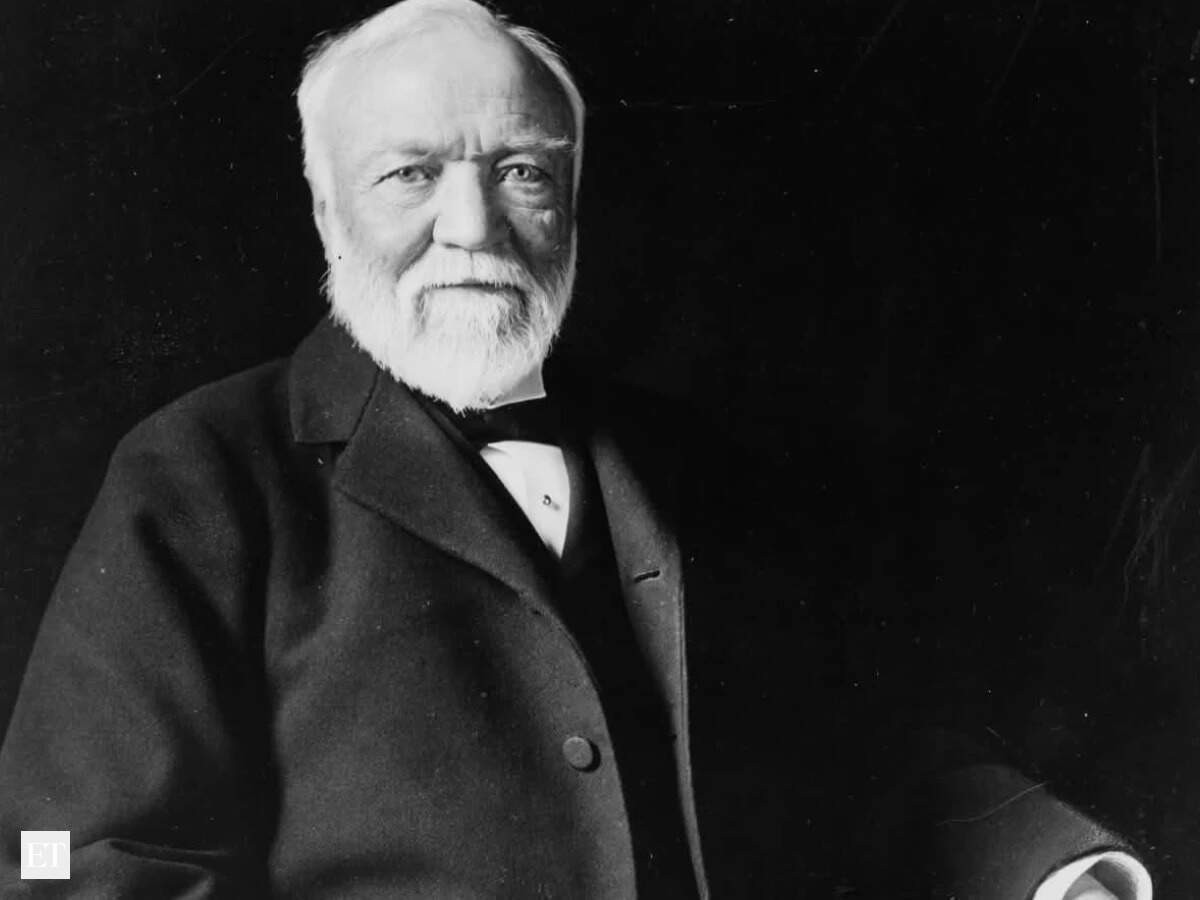
A Sioux City landmark funded by Andrew Carnegie more than a century ago avoided the wrecking ball and became something its builder likely never imagined: 20 apartments for low-income Iowans. The 1912 library sat empty for 12 years before two local nonprofits stepped in and reopened it as Carnegie Place Apartments in August 1997.
The story, detailed in a report by Economic Times drawing on a National Park Service case study, is a reminder that Iowa's older buildings can solve today's problems when private groups, not just government, take the lead.
How a Library Became a Landmark in Trouble
Andrew Carnegie, the steel magnate who funded more than 2,500 libraries across America, gifted the Sioux City Free Public Library, which opened in 1912. The building featured large arching doors, a double-height atrium, and reading rooms designed to make the most of natural light.
The library closed in 1985 after years of wear and tear. According to the Inkl news service, the building then sat empty for twelve years while water leaking through the roof damaged the interior and exterior. Previous developers and city officials had tried and failed to save it, and demolition looked like the likely outcome.
Two Nonprofits Stepped Up in 1995
In 1995, two nonprofits, Community Housing Initiatives and the Woodbury County Community Action Agency, approached the city with a plan to convert the library into affordable housing. The city gave the building to the developers, so there was no purchase cost, only the expense of rehabilitation.
The total project cost came to $1,840,875, or just over $92,000 per unit. Funding relied heavily on private investment raised through the sale of federal historic rehabilitation tax credits and low-income housing credits, which brought in $983,202 in equity.
Why the Building Has Only 20 Units
The original plan called for 28 apartments. After talks with the state historic preservation office, that number dropped to 24, and then to 20, so the original entrances, the double-height atrium, and the arching doorways to the reading rooms could be preserved.
That compromise came with costs. Only about 65% of the building's square footage could be rented out, and the large communal atrium had to be heated through Iowa winters. The developers concluded the trade-offs were worth it.
Who Lives at Carnegie Place
The building holds eight one-bedroom units and twelve two-bedroom units. All 20 apartments serve households earning 60% or less of the area's median family income, and at least eight units go to households at 50% or less.
Tenants have included elderly residents, single people, families, and Iowans with disabilities. The units filled quickly and produced a waiting list. For the first year and a half there was no turnover at all, in a local rental market where turnover typically runs 29%.
The Tax Credits Behind the Project
The federal historic rehabilitation tax credit gives owners a 20% credit when they significantly rehabilitate income-producing historic buildings. According to the National Park Service's fiscal year 2025 annual report, the program has driven more than $146.5 billion in private investment since 1976.
That is the kind of incentive structure conservatives can support: private capital doing the work, with a tax break rather than a blank check. Since 1977, 216,892 units of low- and moderate-income housing have been rehabilitated or newly built using the credit, and 53% of the 21,934 housing units completed in fiscal 2025 were low- or moderate-income.
Why This Story Matters in 2026
A 2026 Harvard Joint Center for Housing Studies blog found that 2024 saw a record number of cost-burdened renter households. Roughly 22.7 million households, nearly 49% of all renters, spent more than 30% of their income on rent and utilities, and 12.1 million spent more than half their income on housing.
Solutions do not always require new construction on farmland at the edge of town. As the Fvbb news outlet noted, Carnegie Place took just two years from proposal to reopening, after twelve years of vacancy, using two nonprofits, tax credits, and a willingness to compromise on layout.
The next time you pass an old building in your Iowa town with good bones, it is worth asking what it could become.
Frequently Asked Questions
When did the Sioux City Carnegie library close?
The Sioux City Free Public Library, opened in 1912 with funding from Andrew Carnegie, closed in 1985 and stood empty for the next twelve years.
When did Carnegie Place Apartments open?
The 20 affordable apartments opened in August 1997 after a renovation by Community Housing Initiatives and the Woodbury County Community Action Agency.
How much did the Carnegie Place renovation cost?
The rehabilitation cost $1,840,875, or just over $92,000 per unit, with the city donating the building and tax credits raising $983,202 in private equity.