
Senator Ted Cruz is quietly laying the groundwork for a potential 2028 presidential run, with frequent trips to Iowa and a growing list of public jabs at Vice President JD Vance, according to insiders who spoke with the Wall Street Journal.
The Texas Republican has been sounding out staffers and ramping up his media presence, including podcast appearances and promotion of his new book. While Cruz has not formally announced a bid, his actions point to a serious exploration of a campaign to succeed President Donald Trump.
For Iowa voters, Cruz's increased presence in the state is a familiar pattern. The first-in-the-nation caucus state has long been a proving ground for presidential hopefuls, and Cruz's visits signal he views Iowa as critical to any 2028 strategy.
Trump's Warm Words Mark a Shift From 2016 Rivalry
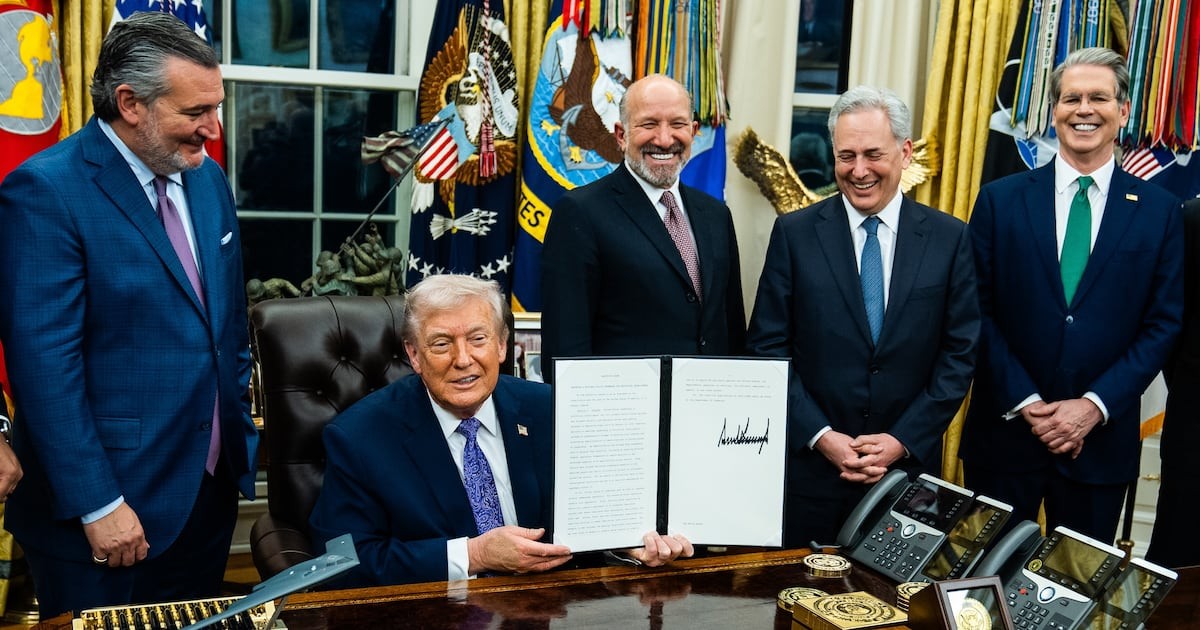
President Trump has notably softened his stance toward Cruz, even helping promote the senator's book by sharing a link on Truth Social. During an Oval Office announcement last week, Trump did not rule out Cruz joining the ticket in 2028.
“Uhh, I would say that, uhh, he's very talented,” Trump said. “He's a very good friend of mine. I think he might do good, yeah. He's a talented guy.”
The warm words mark a dramatic shift from the 2016 Republican primary, when Trump branded Cruz “Lyin' Ted” and the two traded fiery personal attacks. Cruz called Trump a “pathological liar” and a “trainwreck” during that contentious race, though he eventually endorsed the nominee.
By 2018, Trump had retired the nickname, saying, “He's not 'Lyin' Ted' anymore. He's 'Beautiful Ted.' I call him 'Texas Ted.'”
Cruz himself acknowledged the political savvy of Trump's original insult, calling it “political genius” on Sean Hannity's podcast this week.
Cruz vs. Vance: Tensions Rise Over Foreign Policy
Cruz has been increasingly vocal in his criticism of Vice President Vance, particularly regarding foreign policy. On the PBD podcast this week, Cruz called the now-abandoned memorandum of understanding with Iran “a terrible deal” that “JD negotiated.”
The Washington Post reported in December that Cruz was privately bad-mouthing Vance to donors, especially over his isolationist foreign policy views. When asked directly if Vance is the inevitable 2028 nominee, Cruz responded, “Oh, no!” before adding that there will be “a full discussion about who we are and what we believe.”
Cruz has also been clear about his own ambitions. On Texas Lt. Gov. Dan Patrick's podcast last week, he said, “It's no secret that I want to be president.” Asked if he intends to run, he replied, “Time will tell.”
Trump's Mixed Signals on a Successor
The president has reportedly pitted Vance and Secretary of State Marco Rubio against each other, asking donors and advisers which man should run for president. In a private Oval Office meeting with donors last month, Trump indicated he does see Vance as his successor, saying, “At the end of the day, we need to elect JD,” according to two sources who spoke with The Washington Post.
However, six other people close to Trump cautioned that the president may not have settled on Vance, noting that Trump tells different things to different people and often changes his mind.
Vance has repeatedly said he is focused on his job as vice president. His wife, Usha Vance, told Fox News' Fox & Friends this week that she is keeping an “open mind and open heart” about their political future.
“Whatever it is that he feels is the right thing for him to do, we're going to have a good time doing it,” she said. “We will make the best of it in the best possible way.”
What This Means for Iowa's 2028 Caucuses
With Cruz making regular trips to Iowa and Trump signaling an open primary, the state is poised to play a pivotal role in shaping the next Republican nominee. Cruz's history in Iowa includes a strong showing in the 2016 caucuses, where he finished first, beating Trump.
His renewed focus on the state suggests he sees a path to victory through Iowa's conservative voters, particularly those energized by Trump's America First agenda. Cruz's appeal to that base, combined with his foreign policy differences with Vance, could make for a competitive primary.
For now, Cruz is keeping his cards close, but his actions speak louder than his words. With Iowa in his sights and Trump's blessing not entirely out of reach, the 2028 race is shaping up to be a battle for the soul of the Republican Party.
As the senator said, “Time will tell.”