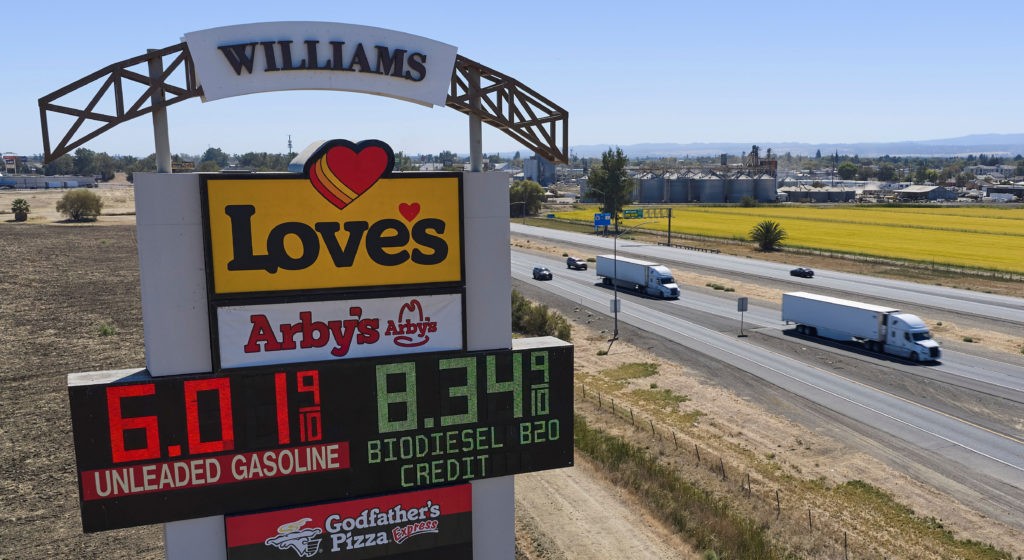
President Donald Trump's surprise agreement to import Russian diesel is drawing fire from both parties in Congress, and in Iowa, where diesel prices have hit $6 a gallon, the fallout is landing squarely in the middle of a competitive U.S. Senate race.
Trump announced the deal with Russian President Vladimir Putin last week, framing it as a way to ease fuel costs for Americans ahead of the midterm elections. Instead, it has triggered bipartisan criticism that the arrangement fuels Russia's war in Ukraine and violates U.S. law, according to PBS.org.
What the deal would do
Trump said the agreement would unleash hundreds of tons of Russian diesel into the U.S. market. He defended it Monday outside the White House with Iowa's agricultural economy in mind.
“Anything that could help our farmers, our ranchers, I like,” Trump said.
Energy experts, however, told the Associated Press that Russian diesel is unlikely to lower prices at the pump. Prices have climbed largely because of disruptions tied to the U.S. war with Iran, not a shortage of supply. An AP report published Monday notes that even a dozen senators, split evenly between the parties, called the price impact negligible.
Hinson: easing sanctions on Russia makes me nervous
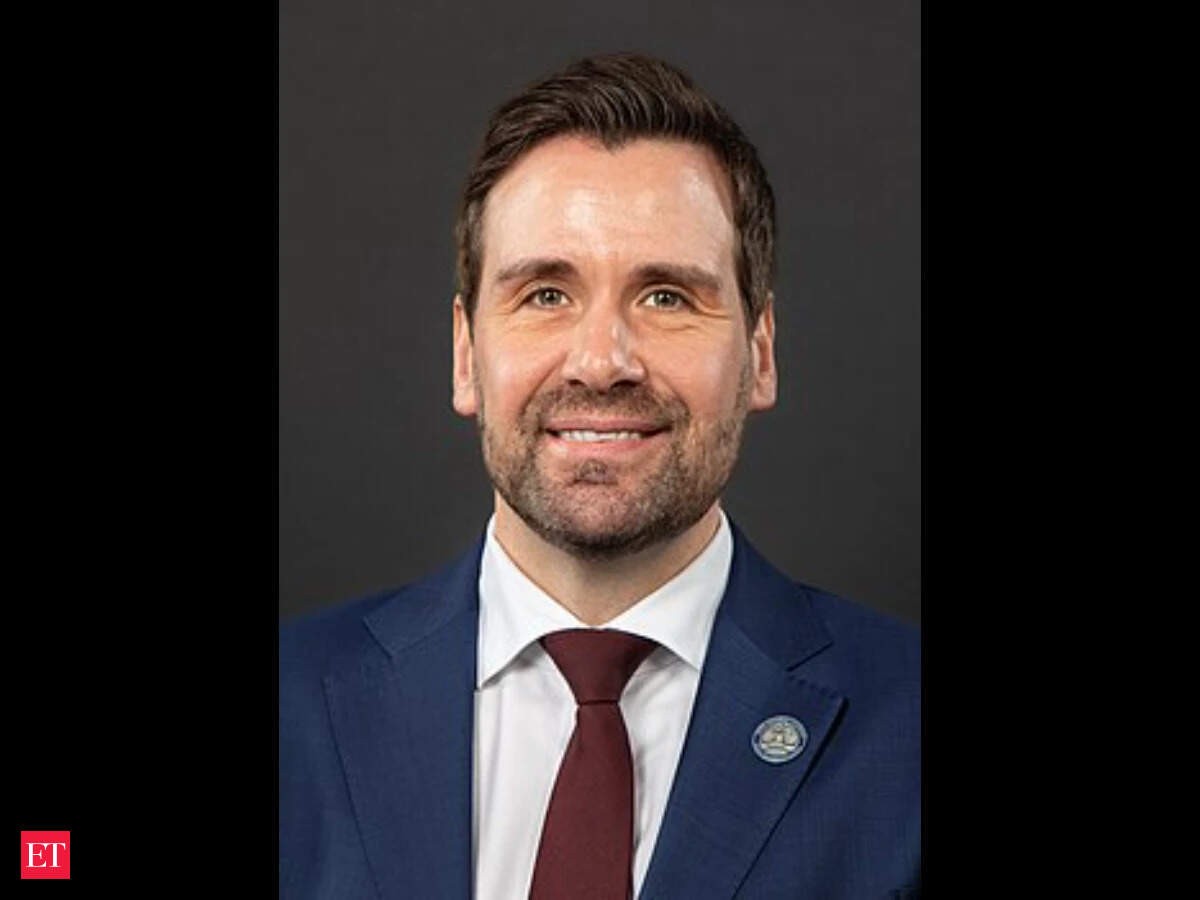
Rep. Ashley Hinson, the Republican Senate candidate facing Democrat Josh Turek in November, offered a cautious but pointed response when asked about the deal. Hinson is campaigning in a state where $6 diesel has become a kitchen-table issue for farmers and truckers hauling grain this harvest season.
“It makes me a little bit nervous anytime we're talking about relieving a sanction on Russia,” Hinson said.
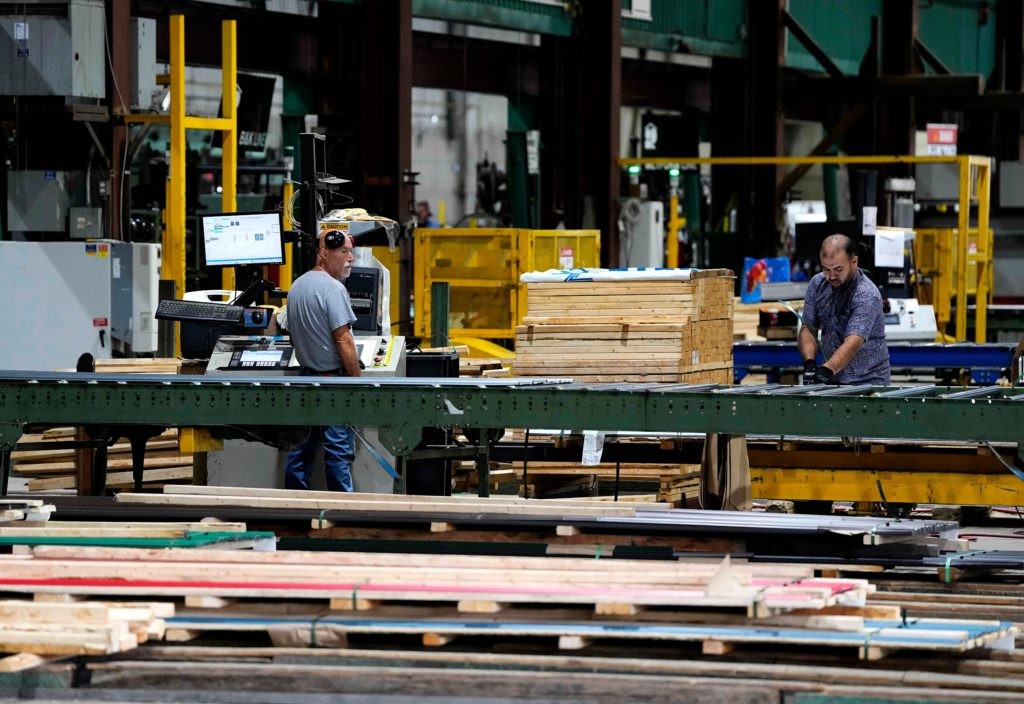
Her race against Turek, a Paralympic gold medalist, is one of the most closely watched Senate contests in the country, and fuel prices are shaping up as a defining issue. Turek launched his challenge to Hinson earlier this cycle, and both campaigns have been forced to respond to economic pressure points, including tariff-related factory layoffs that have tested Republicans in the state.
Six Republicans and six Democrats push back
A dozen senators, six Republicans and six Democrats, sent Trump a letter Tuesday warning that revenue from the diesel sales would “undoubtedly finance its desired war of attrition” and deepen Russia's security ties with China, Iran and North Korea.
“It will also endanger servicemembers operating overseas in support of Operation Epic Fury,” the senators wrote.
A separate bipartisan group of six senators had already urged Trump over the weekend to reverse course, saying the U.S. “should not provide Putin with a financial lifeline.” Trump brushed off the Republican criticism Monday, saying his GOP critics “can't really be serious.”
Does the deal break the law?
The legal question may matter as much as the political one. In spring 2022, shortly after Russia invaded Ukraine, Congress banned Russian energy imports with overwhelming support: the House passed the bill 414-17 and the Senate approved it unanimously.
The law allows a president to lift the ban only if a withdrawal agreement has been reached with Russia, reviewed by Congress, and accepted by Ukraine's government. None of those conditions has been met.
“Trump is directly violating that law,” said Rep. Lloyd Doggett, a Texas Democrat and the bill's chief sponsor, in a statement Monday. He accused Trump of illegally rewarding Putin “while once again blaming Zelenskyy for not capitulating to Putin.”
Complicating matters further, Congress approved a sweeping Russia sanctions bill just last month, named for the late Sen. Lindsey Graham, that imposes tariffs on countries still buying Russian oil. Trump signed it. Most of its provisions take effect Oct. 18, and it is unclear how the diesel deal fits with a law the president himself signed.
Trump blames Zelenskyy for diesel prices
Trump has also turned his frustration on Ukrainian President Volodymyr Zelenskyy, blaming him for high diesel costs and suggesting he step aside, something Zelenskyy has no intention of doing. Trump insisted an energy ceasefire between Russia and Ukraine is in place, even as Zelenskyy reported that Moscow kept striking Ukrainian energy sites.
“They agreed,” Trump said Monday. “Because I said, 'You agree.'” When pressed on the Russian attacks, Trump said he would have to take a look, “because there's been violations on both sides.”
William Taylor, a former U.S. ambassador to Ukraine now at the Atlantic Council, summed up the stakes bluntly in an interview Monday.
“The harm to the Ukrainians is real,” Taylor said. “And the cost to us, the United States, is high.”
Why Iowa voters are paying attention
For Iowans, the debate is not abstract. Diesel at $6 a gallon squeezes farmers during harvest, raises the cost of hauling livestock and grain, and shows up in grocery prices down the line. Trump's instinct to attack fuel costs is one many Iowa voters share. The question raised by members of his own party is whether buying diesel from Putin is the right way to do it, and whether the savings will ever materialize.
An AP-NORC poll published Oct. 1 found Americans disapprove of Trump's handling of the Iran war and blame him for higher prices, a warning sign for Republicans heading into November.
The Treasury Department did not respond Monday to a request for comment on how the administration plans to square the diesel deal with the sanctions law taking effect Oct. 18.
FAQ
What is Trump's diesel deal with Putin?
It is an agreement announced the week of Oct. 13, 2026, to import hundreds of tons of Russian diesel into the U.S. in an effort to lower fuel prices before the midterm elections.
Would Russian diesel lower prices in Iowa?
Energy experts quoted by the Associated Press say the impact would be negligible, because current high prices stem mainly from disruptions tied to the U.S. war with Iran.
Is importing Russian diesel legal?
Congress banned Russian energy imports in 2022 by wide bipartisan margins. Rep. Lloyd Doggett, the bill's sponsor, says Trump is violating that law because the conditions for lifting the ban have not been met.
What has Ashley Hinson said about the deal?
Hinson said the deal makes her “a little bit nervous” because it involves relieving sanctions on Russia.