
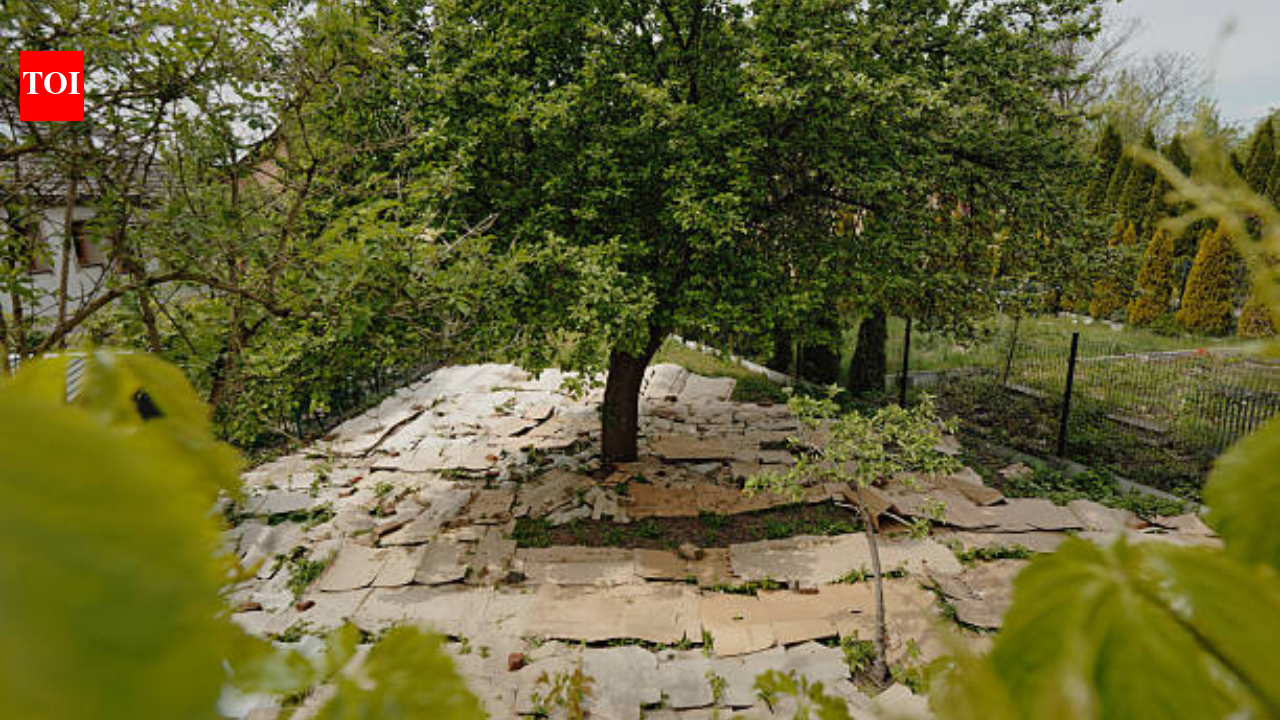
A USDA-funded farm trial found that covering garden beds with cardboard held weeds to 15% of the soil surface by the end of the second season, compared with 45% on tilled beds. The 2022 trial, run at Sweet Hollow Farm in Idaho with the University of Wyoming and USDA's Western SARE program, gave small producers a low-cost way to cut weeding hours without chemicals or constant tilling.
The results, reported by The Times of India, matter for Iowa growers battling weeds in everything from backyard plots to market gardens. Weeds left uncontrolled can destroy 50% to 90% of a field's crop yield, according to data from the Weed Science Society of America and the USDA.
How the Idaho Cardboard Trial Worked
In spring 2022, the farm team covered four raised beds, each about 30 meters long, with cardboard and compost, then tilled another four beds for comparison. Farmer Jonah Sloven partnered with Western SARE on the project at his horticultural farm, where bindweed, a climbing plant that spreads by seed and horizontal roots, was the main enemy.
“If it works, this system could be important for small producers,” Sloven told Western SARE in 2022.
The stakes were real. “Even with spring tillage, we spend a lot of time hand-weeding throughout the season to control bindweed,” Sloven said. “Reducing weed pressure cuts working hours, lowers costs, and improves the quality of life for farmers.”
Less Time Weeding, Better Yields in Year Two
The second season delivered the clearest payoff. It took two people an average of 55 minutes to weed the cardboard beds and two hours to weed the tilled ones.
“Weeding the raised beds with cardboard was much more pleasant, because the weeds came out with much less effort,” the farmers wrote in the project's final report. Almost no bindweed appeared in the cardboard beds, except in holes dug for soil samples.
Harvest results were mixed but mostly positive. In 2022, kabocha squash yielded 28% more on cardboard beds and spaghetti squash 40% more, though five delicata squash plants had to be replaced after they failed to grow through the cardboard. In 2023, all four varieties of onion and shallot produced more on cardboard, with increases ranging from 3% to 97%.
Why Cardboard Blocks Weeds
The technique is called sheet mulching: cover the soil with cardboard or thick paper, then layer organic matter on top. A July 2025 guide from Oregon State University explains that the barrier suffocates weeds and seeds by “denying them access to the sunlight they need for photosynthesis and growth.”
Gardening writers have spread the method widely this fall. As