
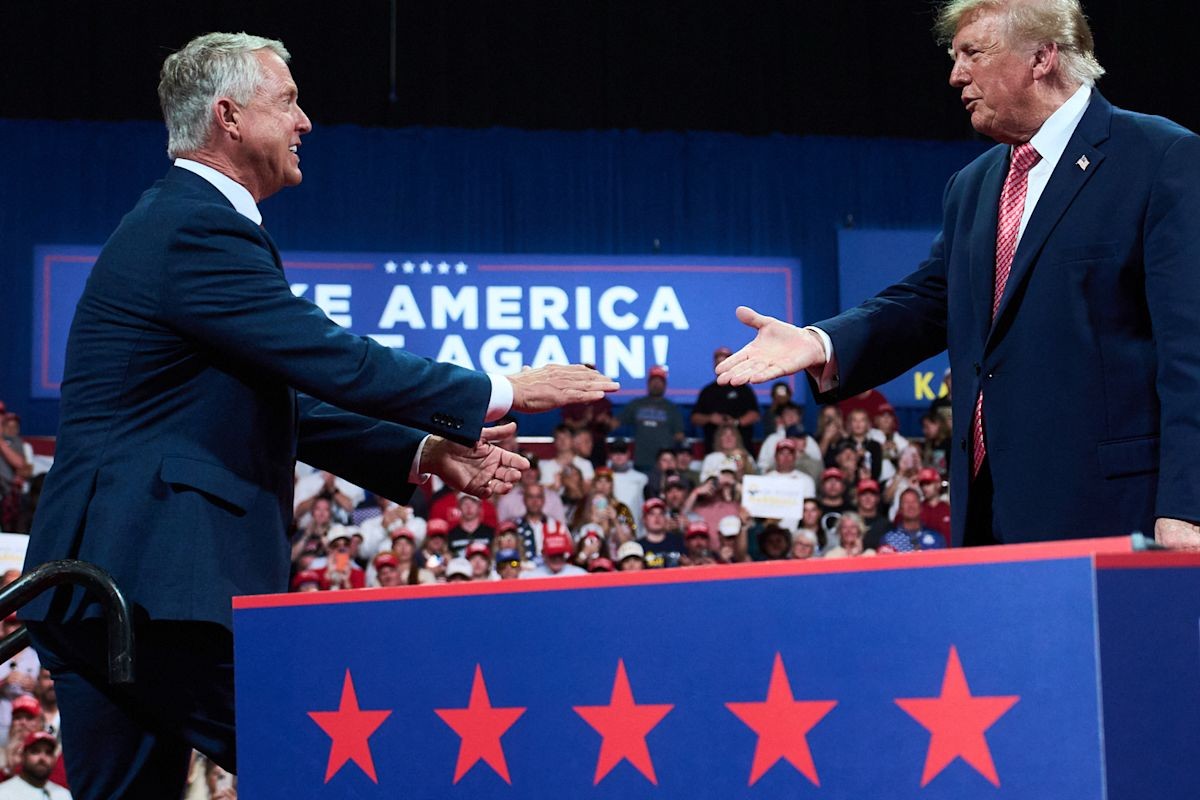
President Donald Trump announced an $8 billion aid package for American farmers on Monday, October 19, during a campaign rally in Kansas, a move that could ripple through tight House and Senate races in Iowa just two weeks before Election Day.
The money targets farmers squeezed by high diesel and fertilizer costs, and it lands as Republicans in farm states work to hold seats once considered safe. Trump heads to Iowa on Thursday, where party leaders have been alarmed by internal polling that weeks ago suggested they could lose all three of the state's congressional races, according to Yahoo's report on the announcement.
What the $8 billion farm aid package covers
The Agriculture Department confirmed the new relief program, which The Hill reported is called the Harvest Fuel Relief Program and is aimed at rising diesel costs during harvest. Farmers will not know their payment amounts for several more weeks, and checks would not go out until late November or early December at the earliest, according to three people close to the plans who spoke on condition of anonymity.
USDA spokesperson Harry Fones said in a statement that the aid package is Trump's latest action to deliver for farmers, and that the department is actively reviewing data to determine payments.
Why Iowa Republicans are watching closely
The timing matters for Iowa. GOP Senate nominee Ashley Hinson, Rep. Zach Nunn and Rep. Marianette Miller-Meeks are all locked in competitive contests, and farm anger over fuel prices, tariffs and the war with Iran has put once-reliable rural voters in play. In some cases, farm-state Republicans have broken with Trump publicly on prices and the war, a sign of the strain in the coalition.
Sen. Chuck Grassley, R-Iowa, said Tuesday that the aid should help turn out the farm vote.
“It's going to help bring farmers' votes out,” Grassley told POLITICO.
“This is some way that the federal government can step in to help farmers for problems that they face through no fault of their own,” he said.
Grassley's home state has already seen the administration's attention this month. Agriculture Secretary Brooke Rollins appeared alongside Nunn and Miller-Meeks earlier in October to announce $180 million for seed research, part of a string of funding rollouts in swing rural districts.
The money is not yet in the bank
There is a catch. The internal USDA account Trump is tapping does not currently have enough money to cover the payments, meaning Congress will have to approve new funds or the administration will have to pull money from another program, according to three Trump officials who discussed private conversations on condition of anonymity.
Most Hill Republicans were not given advance notice of the announcement, including appropriators, and many had received no details from USDA as of Tuesday morning, according to two people familiar with the conversations.
Farm groups have also warned the package falls short. Top agriculture organizations say farmers need at least $50 billion in direct aid this fall to make up for tariff losses, weather disasters and costs tied to the Iran war's chokehold on agricultural supplies. Farm-state Republicans are pushing to add at least $12 billion in direct payments to a separate year-end legislative package.
Second bailout in two years
This is the second time in two years that Trump has authorized billions in bailout money for farmers affected by his administration's policies, The New York Times noted, coming 15 days before a midterm election in which unhappy farmers and ranchers could decide close races across the country. The White House distributed a first round of $12 billion earlier this year for growers of major commodities hit hard by the tariff agenda.
Administration officials also found that an earlier step, making off-road dyed diesel more widely available, offered limited benefits for farm country, according to officials involved in the matter. Agriculture lobbyists warned the dyed diesel plan could backfire because farmers might still owe taxes on the product later. That pushed the administration toward direct payments, which calmed farmer anger during the 2018 trade war and helped Republicans that election cycle.
Marshall takes credit, ethanol promise resurfaces
The Kansas rally put Sen. Roger Marshall, facing a tougher-than-expected reelection fight in deep-red territory, at the center of the story. Marshall and Rep. Austin Scott, R-Ga., pushed for the $8 billion inside the administration, and Marshall requested money for fuel costs in a September letter to Rollins.
“Roger Marshall is the leader who fought for that to happen,” Trump said at the rally.
Trump also promised to approve permanent year-round sales of E15 ethanol, a long-stalled priority for corn growers across the Midwest, though the move has repeatedly stalled in Congress.
“With Roger Marshall in the Senate, we will make year-round E15 permanent. But if Adam Hamilton is in, I'm not doing it,” Trump said. “That's a big deal for Kansas, actually.”
For Iowa corn growers, an E15 fix would be a major win, and Trump's Thursday visit will give him a chance to make that case directly to the state's voters. CNN reported that the $8 billion package responds to diesel and fertilizer costs that have been cutting into farm margins all season.
Frequently asked questions
When will farmers actually receive the $8 billion payments?
Farmers will not learn their payment amounts for several weeks, and checks would not arrive before late November or early December at the earliest, according to people close to the plans.
Is the funding guaranteed?
No. The USDA account being tapped does not currently hold enough money, so Congress must approve new funds or the administration must shift money from another program.
How does this compare to earlier farm aid?
The White House distributed $12 billion earlier this year for growers hit by tariffs, and farm groups say at least $50 billion is needed this fall to cover tariff losses, weather disasters and war-related costs.