
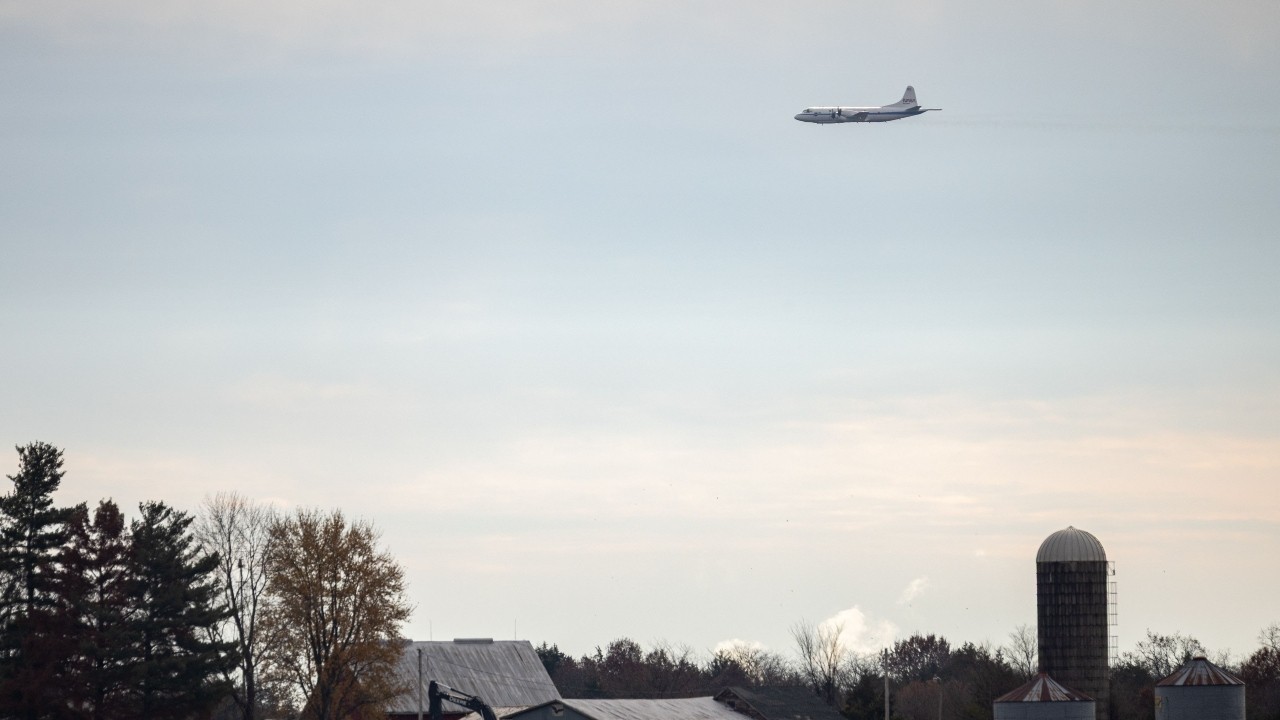
The U.S. Army destroyed its entire 5-ton stockpile of degraded lead azide in a controlled explosion at the Iowa Army Ammunition Plant on Wednesday morning.
The detonation in southeastern Iowa followed days of legal fights, public objections and delays. The Army called the operation a success, and the Environmental Protection Agency reported “zero detection of airborne lead throughout the region,” according to the Associated Press report.
That result brought relief after warnings about a possible toxic plume. It did not settle questions about public notice, the condition of the storage bunker or why the dangerous material remained at the plant for decades.
Why the Army detonated the lead azide
Lead azide is a chemical used to make bombs. The material destroyed Wednesday represented the country’s entire stockpile, and officials had warned that its deteriorating condition made continued storage increasingly hazardous.
Officials said the 5 tons of degraded material risked exploding without warning as temperatures cooled, PBS News reported. The Army proceeded with the controlled detonation after the planned operation faced repeated delays.
Residents near the site were urged to evacuate. The operation also drew intense local attention because of uncertainty about the blast, its visibility and the possible spread of airborne lead.
The detonation followed “legal battles, public outcry and repeated delays,” CNN reported. Those disputes turned what federal officials described as a necessary disposal operation into a broader test of the government’s handling of public safety information.
Residents and local officials received little notice
A central complaint was not simply that the explosion happened. It was that some people responsible for protecting nearby communities learned about it late, according to Mediaite’s roundup of the coverage.
The Washington Sun reported that reporter Anna Kramer had covered the planned detonation for several days. Zachary Oren Smith of Iowa Starting Line told the outlet that residents closest to the site had time to prepare, but local officials and emergency managers received little formal warning.
“For many residents close by, they had plenty of time to plan, but the Army’s first plume map came out five days before the original date,” Smith said. “For several local electeds, emergency managers, etc, that map was the first thing that resembled a notification that a blast was coming.”
For local governments, that timeline matters. Emergency managers need reliable information to answer residents’ questions, prepare for evacuations and coordinate a response if conditions change.
NBC’s Davenport affiliate KWQC gave viewers safety reminders and instructions for people living in what its anchors called the “detonation zone,” CNN media reporter Brian Stelter noted. The stark coverage reflected the uncertainty families faced before Wednesday morning.
Court filing raises bunker safety questions
New questions also emerged from a Justice Department court filing submitted Saturday. Daily Caller reporter John Loftus wrote that the Army had removed the blast doors from the bunker holding the explosives and installed temporary plywood and foam insulation.
Loftus said that change made the operation “more dangerous.” The filing also disclosed that lead azide had concerned the Pentagon for the last 40 years.
That history will likely fuel demands for a fuller explanation. If the material posed a known problem for decades, Iowans deserve to know why disposal came down to an urgent operation accompanied by evacuation warnings and fears of a toxic plume.
The government’s obligation did not end when the stockpile was destroyed. Federal officials still owe the public a clear account of the storage decisions, the bunker modifications and the communication failures reported by local officials.
What monitoring found after the explosion
The EPA’s initial airborne reading was the most encouraging development Wednesday. Its report of zero airborne lead detection across the region addressed the immediate fear that the blast would spread contamination beyond the plant.
Local journalists had also taken steps to document conditions independently. Stelter reported that reporters collected soil samples before the detonation so they could compare the ground before and after the blast.
They also hoped to obtain drone footage. Temporary flight restrictions around the site and health concerns had left it unclear how visible the explosion would be to the public.
The available statements establish two separate facts. The Army says the detonation succeeded, and the EPA says its regional air monitoring found no airborne lead. Neither statement answers every question about the days leading up to the operation.
The accountability questions that remain
Several issues now require direct answers from the Army and other federal agencies:
- Why did the first plume map serve as the initial warning for some local elected officials and emergency managers?
- Why were the bunker’s blast doors replaced with plywood and foam insulation?
- What decisions allowed a material that had concerned the Pentagon for 40 years to remain in storage until it deteriorated?
- What additional air and soil results will be released to confirm conditions after the detonation?
A successful explosion cannot substitute for competent planning and straight answers. Southeastern Iowa residents were asked to accept evacuation instructions and trust federal assurances, often after learning about the operation through news coverage or a plume map.
The next test is transparency. Federal officials can now release the monitoring data, explain the bunker changes and lay out who was notified, when they were notified and what emergency managers were told to expect.
Iowa lead azide detonation FAQ
How much lead azide did the Army destroy?
The Army detonated 5 tons of degraded lead azide, representing the entire U.S. stockpile, at the Iowa Army Ammunition Plant on Wednesday morning.
Did monitors detect airborne lead after the blast?
No. The Environmental Protection Agency reported zero detection of airborne lead throughout the region after the controlled detonation.
Why are local officials still raising concerns?
Some local officials and emergency managers reportedly first learned that a blast was coming when the Army released its initial plume map five days before the original detonation date.