
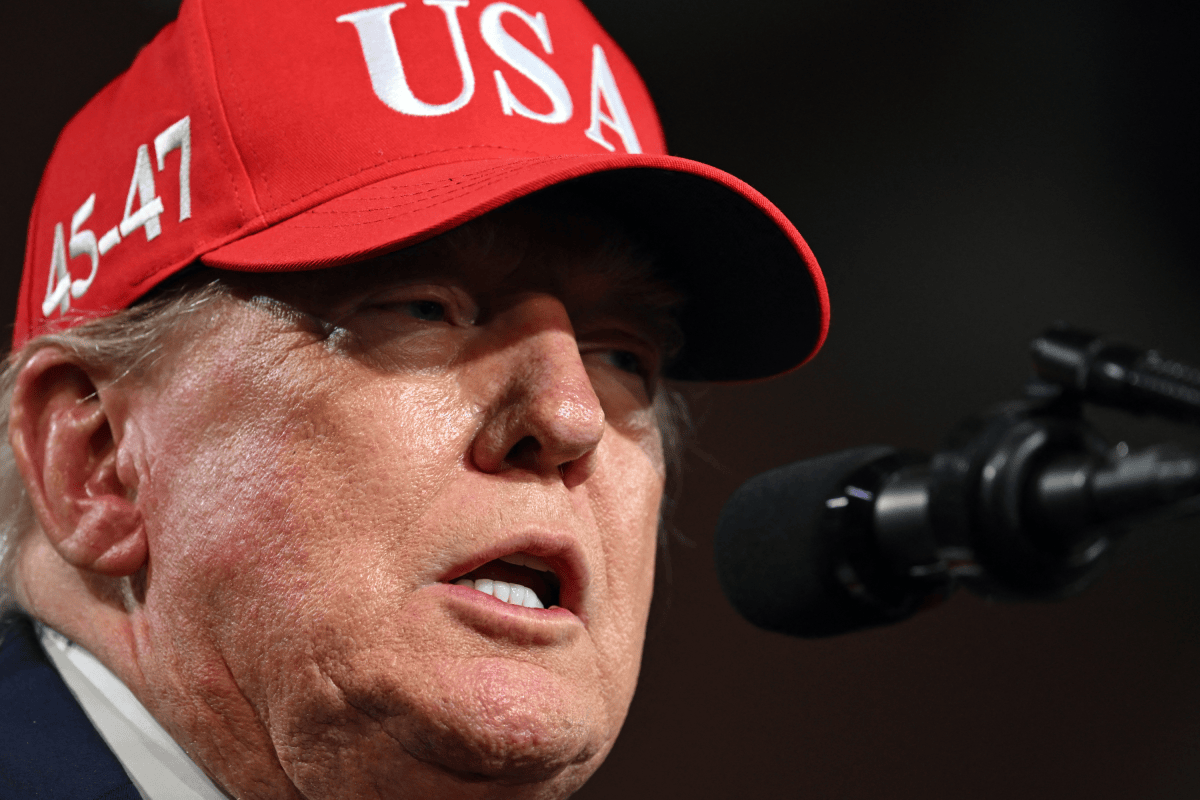
President Donald Trump told reporters on Wednesday, October 14, that he will remain in the White House no matter what happens on Election Day, a notable change from his usual campaign message that voters should treat his name as if it were on the ballot.
“I've won my election. I'm here whether we win this or not,” Trump said during stops in Arizona and Montana, according to Newsweek.
Why the President's New Message Matters for Iowa
The shift comes at a moment when national forecasts have moved against Republicans. VoteHub's October 15 model gave Democrats an 84 percent chance of taking the House and a 59 percent chance of winning the Senate. The Cook Political Report now lists 21 House races and seven Senate contests as tossups.
For Iowa voters, the most concrete sign of trouble is closer to home. Republican groups have pulled back from the race involving Representative Mariannette Miller-Meeks, whose southeastern Iowa district had not been considered a top target. The withdrawal, reported by Newsweek, means party money is now flowing only to seats strategists believe they can still save.
What the Polls and Prediction Markets Show
The numbers paint a difficult picture for the GOP three weeks out.
- VoteHub projects 231 Democratic House seats versus 204 Republican, and a 52-48 Democratic Senate.
- Polymarket prices a Democratic sweep of both chambers at 63 percent; Kalshi puts it at 61 percent.
- Cook's October 9 House ratings leave only 201 seats in the solid, likely or lean Republican columns.
These figures are forecasts and market prices, not scientific surveys, and both can move sharply before November. Still, an
https://iowa-news.com/article/ap-norc-poll-shows-warning-signs-for-gop-with-midterms-four-weeks-out
AP-NORC poll released earlier this month already showed warning signs for Republicans with four weeks to go.Where Republican Money Is Going
Five senior Republican lawmakers told POLITICO that control of the House has effectively slipped away, with one saying the goal now is to “save as many Republican seats as we can.” Another predicted Democratic gains of roughly 10 seats.
The Senate map tells the same story. The Senate Leadership Fund suspended its North Carolina ad reservations while investing at least $10 million in Kansas and more than $100 million in Texas, CNN reported. Spending has also flowed into South Carolina, states a party in a strong year would not need to defend.
Republicans still hold a large financial edge. GOP organizations entered the final month with about $1 billion on hand, compared with roughly $579 million for comparable Democratic groups, according to the Associated Press. MAGA Inc. alone reported nearly $416 million available at the end of August.
But late money buys less. Campaign officials quoted by AP said Trump-aligned groups have sometimes paid more than five times the spring rates for the same airtime.
“A million dollars of advertising in October is a drop in the bucket,” Republican pollster Neil Newhouse said.
White House Pushes Back on Doubts
The White House insists the president remains the party's central asset. Spokesman Davis Ingle described Trump as the Republicans' “unequivocal leader” and said his record on the economy and the border gives voters a clear choice between a “commonsense agenda” and what he called the “Democrats' extreme liberal policies and obstruction.”
Ingle previously told Newsweek that Trump had built “one of the most robust coalitions in political history” through the MAGA movement.
Trump's advisers have shrugged off suggestions that he should stay off the trail despite his sliding approval ratings, arguing the midterms will be a referendum on his presidency regardless of where he travels, according to
https://www.cnn.com/2026/10/12/politics/midterms-republican-losses-trump
CNN. His rallies also feed his own operation: supporters who attend submit contact information that his campaign uses for follow-up outreach, a strategy aimed at voters who do not usually show up in midterm years, The Washington Post reported.Can Late Spending Save GOP Seats?
Money can keep a close race competitive, but it cannot force voters to separate their congressional candidate from the president who leads their party. Trump's new tone suggests he recognizes that distinction even as Republican strategists work to persuade voters to draw it themselves.
For Iowans, the practical question is whether Miller-Meeks and other down-ballot Republicans can survive without national backup. The answer arrives November 3.
Frequently Asked Questions
What did Trump say about the midterms on October 14?
Trump told reporters in Arizona and Montana, “I've won my election. I'm here whether we win this or not,” signaling he expects to remain president regardless of the congressional outcome.
Is Iowa's Mariannette Miller-Meeks losing national GOP support?
Yes. Republican spending groups have withdrawn from her race, along with contests in New Jersey and the Omaha-area district of retiring Representative Don Bacon, according to Newsweek.
Which party has more money for the final stretch?
Republican groups entered the closing month with about $1 billion compared with roughly $579 million for comparable Democratic organizations, the Associated Press reported, though late ad buys cost far more than early reservations.